
Lying awake at night, heart pounding and mind racing through every worst-case scenario, is something millions of people experience regularly. If you are wondering how to sleep with anxiety, you are not alone. Sleep anxiety affects people of all ages and backgrounds, creating a relentless cycle where worry fuels sleeplessness and sleeplessness fuels more worry. The good news is that practical, evidence-based strategies exist to help you break that cycle and finally get the rest you deserve.
What Is Sleep Anxiety and Why Does It Happen?
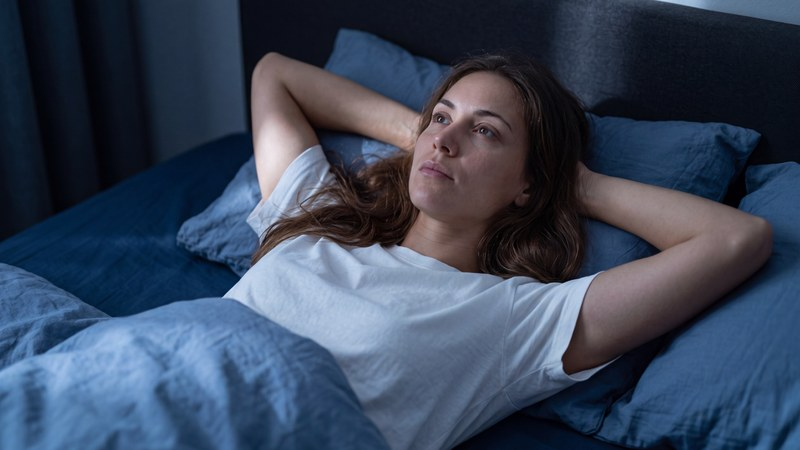
Sleep anxiety is characterized by apprehension or fear about falling asleep or staying asleep. It is not simply feeling a little restless before bed. For many people, it involves a genuine sense of dread as bedtime approaches, a pattern of racing thoughts that refuse to quiet down, and a body that seems determined to stay alert even when exhaustion is overwhelming.
Why Anxiety and Sleep Feed Each Other
Anxiety and sleep problems are closely linked. The relationship between them is bidirectional, meaning that anxiety can cause poor sleep and poor sleep can intensify anxiety. This creates a cycle that is difficult to break without intentional effort. Worrying about not sleeping makes sleep harder to achieve, and the resulting sleep deprivation makes anxiety feel even more unmanageable the following day.
Research suggests that people with anxiety disorders are at a higher risk of developing sleep problems, including insomnia. The brain struggles to power down when it perceives a threat, and for someone dealing with chronic anxiety, that threat can feel constant even when no immediate danger exists.
Find the Best Residential Anxiety Treatment Centers
Explore treatment options, what to look for, and the next right step for lasting recovery.
Women may experience additional sleep disruption related to hormonal and reproductive transitions. Changes associated with the menstrual cycle, pregnancy and the postpartum period, and perimenopause or menopause can affect sleep, while anxiety and mood symptoms may further complicate the picture. These factors vary considerably from one woman to another, which is why persistent sleep problems deserve individualized assessment.
These interesting facts about social anxiety explain why women experience anxiety disorders at twice the rate of men, and how that gap widens when sleep disruption is factored in as both a symptom and a cause.
The Connection Between Anxiety Disorders and Sleep
Anxiety disorders are among the most common mental health conditions affecting adults today. They include generalized anxiety disorder, panic disorder, social anxiety disorder, and several others. Each of these conditions can interfere with sleep in meaningful ways, making it harder to fall asleep, stay asleep, or feel refreshed after a full night of rest.
Sleep deprivation can worsen anxiety disorders and may increase vulnerability to anxiety problems over time, which means the problem tends to compound. Someone who loses sleep due to anxiety is more likely to feel anxious the next day, which makes the following night harder, which increases anxiety further. Understanding this loop is the first step toward breaking it.
Research suggests that people with anxiety disorders often have higher sleep reactivity. This means they may be more likely to experience sleep disruption when facing stressful situations compared to people without anxiety. Their nervous systems remain in a heightened state of arousal, making it difficult for the body to transition into the calm, restful state needed for quality sleep.
Depression and anxiety frequently occur together, and the depression association with sleep problems adds another layer of complexity. Depression can cause both insomnia and hypersomnia, and when it occurs alongside anxiety, the sleeping difficulties can become especially persistent and difficult to treat without professional support.
Does Your Diet Affect Your Sleep and Anxiety?
What you eat has a more direct impact on this cycle than most people realize. Nutrition, meal timing, caffeine and alcohol intake can influence sleep and may also affect how some people experience anxiety symptoms.How anxiety and nutrition are connected explains the specific dietary factors that maintain the sleep-anxiety loop and which nutritional changes have the clearest evidence for breaking it.
Large meals close to bedtime can also interfere with sleep by causing discomfort and keeping the digestive system active when the body should be winding down. Keeping meals lighter in the hours before bed supports more comfortable, uninterrupted sleep.
What About Caffeine?People who regularly consume caffeine may experience withdrawal symptoms after abruptly reducing or stopping it. Symptoms can include headache, fatigue, irritability, difficulty concentrating, and changes in mood. Because caffeine itself can also contribute to anxiety and sleep disruption in sensitive individuals, gradually reducing intake may be easier to tolerate than stopping suddenly.
Even for people who have not quit caffeine, the relationship between daily intake and anxiety severity is more dose-dependent and individual than most guidance acknowledges. Does caffeine make anxiety worse breaks down how caffeine affects anxiety differently depending on existing disorder type, genetic caffeine sensitivity, and what else is happening in the nervous system at the time.
Avoiding caffeine, nicotine, and alcohol in the late afternoon and evening is another core component of good sleep hygiene. Alcohol in particular is often used as a way to relax before bed, but it disrupts sleep architecture and tends to cause wake episodes in the second half of the night, leaving people feeling unrefreshed.
Recognizing the Symptoms of Sleep Anxiety
Sleep anxiety does not look the same for everyone, but there are common symptoms that tend to emerge across most cases. Recognizing these symptoms is important because it helps distinguish sleep anxiety from other sleep disorders and guides the choice of treatment.
Common symptoms include:
- Difficulty falling asleep even when physically exhausted
- An intense feeling of dread or fear as bedtime approaches
- A racing mind full of worry that refuses to quiet
- Waking frequently during the night with a sense of panic or unease
- Feeling unrested even after spending adequate hours in bed
Some people also experience nocturnal panic attacks, which are sudden episodes of extreme fear that wake a person from sleep with a pounding heart, difficulty breathing, and a sense of impending doom. Nocturnal panic attacks can be deeply disorienting because they occur without an obvious trigger and can feel indistinguishable from a medical emergency. They are often associated with panic disorder and can significantly worsen overall sleep quality.
Anxiety can also be associated with nightmares and disturbing dreams, particularly during rapid eye movement sleep. Research suggests that anxiety and pre-sleep rumination may affect vivid dreaming, which can cause additional sleep disruptions throughout the night.
How Sleep Deprivation and Anxiety Feed Each Other
The relationship between sleep deprivation and anxiety is one of the most frustrating aspects of this condition. Sleep deprivation can worsen anxiety disorders, and anxiety can make it nearly impossible to get the sleep needed to recover. Both conditions amplify each other in ways that can feel impossible to manage without the right tools.
When a person does not get enough sleep, the brain becomes more reactive to stress. The amygdala, which processes fear and emotional responses, may become more reactive as well. This means that minor stressors feel amplified, negative thoughts become more intrusive, and the body stays in a state of high alert that is designed for survival but completely counterproductive for rest.
Poor sleep also affects cognitive function, making it harder to think clearly, regulate emotions, and cope with everyday challenges. This reduced capacity to manage stress leads to more anxiety, which leads to poorer sleep, and the cycle continues.
Many people do not realize that the thought patterns keeping them awake are symptoms of a specific, diagnosable anxiety disorder rather than just stress or a busy mind. These fascinating facts about anxiety disorders cover the key distinctions between GAD, panic disorder, and social anxiety, including how each type manifests differently at night and why that matters for choosing the right intervention.
A significant part of why cognitive techniques for nighttime anxiety fail when people try them alone is the weight of misinformation they are working against, including the belief that if they cannot think their way out of the anxiety, the techniques are not working. Unraveling the myths about anxiety disorders addresses this and other misconceptions that cause people to abandon effective approaches prematurely or delay seeking clinical support.
High blood pressure can be one physical consequence of this ongoing stress response over time. Chronic sleep deprivation and chronic anxiety may both contribute to elevated blood pressure, creating additional health concerns beyond mental well-being. Addressing sleep anxiety is not just about feeling better at night. It is a meaningful investment in long-term health.
Sleep Environment and Temperature
Your bedroom environment directly influences how quickly and deeply you sleep. Research consistently identifies 65–68°F (18–20°C) as the optimal temperature range for sleep onset. Your core body temperature needs to drop to trigger sleep, and a cool room accelerates that process. Blue light from phones, tablets, and laptops suppresses melatonin production by signaling to your brain that it’s still daytime; limiting screens for at least an hour before bed makes a measurable difference. Perhaps most importantly, keep your bedroom associated exclusively with sleep. Doing so strengthens the psychological association between the space and rest, reducing the mental activation that anxious minds bring to bedtime.
Why Women Lose More Sleep Than They’re Told
Women’s sleep can be affected by hormonal changes across the lifespan, including changes associated with the menstrual cycle, pregnancy and postpartum recovery, and the menopausal transition. During perimenopause and menopause, hormonal changes, hot flashes and night sweats, mood symptoms, stress, and other health factors may all contribute to disrupted sleep. Because these influences differ from woman to woman, effective treatment begins with understanding the individual’s symptoms, health history, and stage of life.
Sleep Hygiene: 5 Tips for Building the Foundation for Better Rest

Sleep hygiene refers to the collection of habits and practices that support consistent, quality sleep. Good sleep hygiene does not cure anxiety, but it creates an environment and a routine that makes it significantly easier for an anxious mind to settle down at night.
Strong sleep hygiene involves several interconnected habits. Maintaining a consistent sleep schedule by going to bed and waking up at the same time every day helps regulate the body’s internal clock. This internal clock, known as the circadian rhythm, governs the body’s natural cycles of sleepiness and wakefulness. When it is well-regulated, the body begins to wind down naturally at the appropriate time, which reduces the effort required to fall asleep.
Getting outside during the day can help reinforce your circadian rhythm and improve sleep quality. Natural light exposure during daytime activities helps signal to the brain that it is time to be awake, which makes the eventual shift toward sleep feel more natural and less effortful.
This relationship between light exposure and anxiety becomes particularly acute in winter, when reduced daylight disrupts melatonin production and simultaneously removes one of the nervous system’s most reliable natural regulators. What you should know about anxiety and cold weather explains the full picture of how seasonal and environmental changes compound the sleep-anxiety cycle in ways that self-help strategies alone often cannot fully counteract.
1. Creating a Sleep-Friendly Environment
Your bedroom environment plays a significant role in your ability to fall asleep and stay asleep through the night. A sleep-friendly environment involves ensuring your room is dark, cool, and quiet. These three conditions support the body’s natural sleep process and reduce the likelihood of waking due to environmental disruptions.
Dimming the lights before bedtime mimics sunset and helps support the natural release of sleep hormones. Avoiding blue light from electronic devices for 30 to 60 minutes before bed may promote melatonin production and make it easier to transition into sleep. Blue light from screens can suppress melatonin, which is the hormone responsible for making you feel drowsy, so reducing exposure in the evening is one of the most straightforward ways to improve sleep.
Using calming scents, such as lavender, can promote a restful environment and contribute to the overall sense of calm that supports good sleep for some people. Creating a tidy, organized sleep space can also help promote a sense of calm and reduce the visual noise that sometimes contributes to a restless mind.
Electronic devices are one of the most common culprits behind poor sleep quality. Avoiding electronic devices before bed removes the stimulation of social media, news, and notifications that can trigger anxiety and make it harder to shift into a relaxed state.
2. Establishing a Relaxing Bedtime Routine
One of the most effective sleep habits you can build is a consistent, relaxing bedtime routine. Rather than focusing on a strict bedtime, which can create anxiety about whether you are falling asleep on schedule, try focusing on a wind-down period of 30 to 60 minutes before you intend to sleep. This approach reduces the pressure and makes the transition to sleep feel more natural.
A good bedtime routine might include dimming the lights, taking a warm bath or shower, reading a physical book, practicing gentle stretching, or engaging in a quiet activity that helps your mind shift away from the demands of the day. The goal is to signal to your brain that the time for wakefulness and productivity is ending and the time for rest is beginning.
Establishing a consistent, relaxing bedtime routine helps reduce pre-sleep arousal and the stress response that keeps people awake. Over time, your body will begin to associate these routine steps with sleep, and the transition will become easier and more automatic.
3. Relaxation Techniques to Calm Anxiety Before Bed
Relaxation techniques are among the most useful tools available for managing sleep anxiety. They work by calming the nervous system, reducing the physiological arousal that keeps the body awake, and giving the mind something concrete to focus on other than worry.
Deep Breathing Exercises
Deep breathing exercises, such as the 4-7-8 technique, may help calm the nervous system. The 4-7-8 method involves inhaling for four counts, holding the breath for seven counts, and exhaling slowly for eight counts. This pattern may help promote relaxation and counteract the fight-or-flight response that anxiety triggers. Practicing this breathing technique for a few minutes before bed can create a meaningful shift in how relaxed you feel.
Progressive Muscle Relaxation
Progressive muscle relaxation, or PMR, involves systematically tensing and releasing different muscle groups throughout the body. Starting from the feet and working upward, you tense each muscle group for a few seconds and then release. This process helps identify and release the physical tension that anxiety creates in the body, leaving you feeling noticeably more relaxed by the time you finish.
Guided Meditation and Guided Imagery
Guided meditation involves following along with a recorded or live instruction that leads you through a calming mental experience. Guided imagery takes this a step further by having you visualize peaceful, restorative scenes in vivid detail. Both techniques can redirect the mind away from worry and toward calm, sensory-focused experiences that support relaxation. Many adults find that using a sleep-focused app or recording for guided meditation makes it easier to stay consistent with the practice.
The 5-4-3-2-1 Grounding Technique
The 5-4-3-2-1 grounding technique helps focus attention on immediate surroundings to distract from anxious thoughts. It involves identifying five things you can see, four things you can touch, three things you can hear, two things you can smell, and one thing you can taste. This anchors the mind in the present moment, which can be a helpful way to interrupt the loop of worry that sleep anxiety tends to produce.
Mindfulness Meditation
Mindfulness meditation involves observing thoughts and feelings without judgment, allowing them to pass without engaging with them. For people who feel anxious at night, mindfulness meditation provides a way to acknowledge the worry without feeding it. With regular practice, it may reduce the intensity of nighttime anxiety and make falling asleep easier for some people.
4. Managing Worry
One of the most important skills for overcoming sleep anxiety is learning to manage worry proactively, so it does not pile up and demand attention at bedtime.
Schedule Worry Time
Scheduling worry time during the day is a technique often used in cognitive behavioral therapy. The idea is to designate a specific 15 to 30-minute window during the day as the dedicated time for worrying. When anxious thoughts arise outside of that window, including at bedtime, you remind yourself that you have a designated time to address those concerns and redirect your attention. Over time, this helps train the brain to contain worry to a specific period rather than allowing it to spill into every quiet moment, including the night.
Mental Dump Journaling
Mental dump journaling involves writing down your worries and concerns before bed to get them out of your head and onto paper. Keeping a notebook near your bed makes it easy to capture any thoughts that arise as you are trying to wind down. The act of writing helps close the loop on unresolved concerns, signaling to the brain that these thoughts have been acknowledged and do not need to be actively rehearsed.
Avoid Trying to Force Sleep
One of the most counterproductive things an anxious sleeper can do is lie in bed trying harder and harder to fall asleep. The effort itself creates tension and wakefulness. If you cannot sleep after 20 minutes, it is recommended to get out of bed and engage in a relaxing activity in dim light until you feel sleepy again. This technique, known as stimulus control, helps preserve the association between your bed and sleep rather than between your bed and wakefulness and anxiety.
5. Exercise, Daytime Habits, and Their Impact on Sleep
Physical activity during the day is one of the most effective natural tools for reducing anxiety and improving sleep quality. Regular exercise helps reduce stress, burns off excess nervous energy, and promotes the kind of physical tiredness that supports deep, restorative sleep.
Exercise during daytime activities reduces stress, but strenuous exercise close to bedtime may interfere with sleep for some people because it can raise heart rate and core body temperature. Morning or afternoon exercise tends to produce the most consistent sleep benefits, though timing can vary from person to person.
Getting adequate sunlight during the day, staying socially connected with loved ones, and engaging in meaningful work or creative activities are all daytime habits that support mental health and reduce the background level of anxiety that makes sleep harder at night.
CBT-I: The Gold Standard Treatment for Sleep Anxiety
Cognitive behavioral therapy for insomnia, or CBT-I, is widely regarded as the most effective treatment for chronic insomnia and is especially helpful when anxiety contributes to sleep problems. CBT-I typically lasts about four to eight sessions and focuses on resetting sleep behaviors and restructuring thinking around rest. It addresses both the behavioral patterns that perpetuate poor sleep and the cognitive distortions that fuel anxiety about sleep.
CBT-I combines several components, including sleep restriction therapy, stimulus control, relaxation training, and cognitive restructuring. Together, these techniques address the full picture of what maintains insomnia and sleep anxiety over time.
CBT-I addresses behavioral and cognitive factors that can maintain chronic insomnia and may produce improvements that persist after treatment ends.
Research consistently shows that CBT-I has strong long-term benefits and is often as effective as sleep medications in the short term, with more durable results over time.
CBT-I is typically delivered by a trained therapist, but there are also digital CBT-I programs that have demonstrated effectiveness for adults who cannot access in-person treatment. If you have been struggling with sleep anxiety for more than a few weeks, CBT-I is worth exploring as a treatment option.
Medications and Other Professional Treatment Options
For some people, lifestyle changes and behavioral strategies are not enough to fully overcome sleep anxiety, particularly when the anxiety is severe or rooted in an underlying mental health condition. In these cases, professional treatment becomes important.
Medications can play a supportive role in managing sleep anxiety, particularly in the short term. A doctor or psychiatrist may recommend medications such as low-dose sleep aids, antidepressants, or anti-anxiety medications, depending on the underlying diagnosis.The appropriate role of medication depends on the individual’s symptoms, diagnosis, medical history, other medications, and treatment needs. For chronic insomnia, CBT-I is generally recommended as an initial treatment, while medication may also be considered when clinically appropriate.
Cognitive behavioral therapy, and other evidence-based approaches, is one of the most effective treatment options for anxiety disorders that contribute to sleep problems. Talk therapy helps people identify and challenge the thought patterns and beliefs that sustain anxiety, which in turn reduces the impact anxiety has on sleep.
If your symptoms include frequent nocturnal panic attacks, significant depression, or signs of a formal sleep disorder such as sleep apnea, a comprehensive evaluation by a healthcare provider is strongly recommended. Treating these underlying conditions is essential to improving sleep.
How to Overcome Sleep Anxiety: Putting It All Together
Knowing how to sleep with anxiety comes down to combining consistent habits, effective relaxation techniques, and professional support when needed. No single strategy works for everyone, but the principles underlying effective treatment are consistent across approaches.
To overcome sleep anxiety, start by establishing strong sleep hygiene and a relaxing bedtime routine. Incorporate relaxation techniques such as deep breathing, progressive muscle relaxation, or guided meditation into your nightly practice. Use strategies like scheduled worry time and mental dump journaling to manage the thoughts that tend to surface at night. Create a sleep environment that is dark, cool, and quiet, and reduce your exposure to blue light and electronic devices in the evening.
If these self-help strategies do not produce meaningful improvement after a few weeks, consider working with a therapist trained in CBT-I or speaking with a doctor about your symptoms. Sleep and anxiety symptoms are treatable, and meaningful improvement is possible with appropriate care.
Supporting Mental Health Beyond the Bedroom
Sleep anxiety does not exist in isolation. It is part of a broader picture of mental health that includes stress management, emotional regulation, physical health, and social connection. Addressing sleep anxiety is one piece of a larger commitment to mental well-being.
Caring for your mental health during the day creates a foundation that makes rest easier at night. This means managing stress through regular exercise, maintaining meaningful connections with loved ones, seeking professional support when symptoms are severe, and practicing self-compassion when things do not go perfectly.
The goal is not a perfect night of sleep every night. The goal is a sustainable, health-supporting relationship with rest that leaves you better equipped to handle life’s inevitable challenges. For most people, that is absolutely achievable with the right strategies and the right support.
When the anxiety driving the sleep disruption is severe enough to require more than lifestyle adjustments, understanding what professional treatment involves makes the decision to seek it significantly easier. This guide to choosing the best residential anxiety treatment centers walks through the clinical criteria, accreditation standards, and program structures that indicate whether a treatment center is equipped to address the anxiety at its root rather than just manage the sleep symptoms it produces.
Final Thoughts on Sleep, Anxiety, and Getting the Rest You Need
Sleep anxiety is real, it is common, and it is treatable. Whether you are dealing with mild bedtime worry or full nocturnal panic attacks, there are evidence-based strategies that can help you fall asleep faster, stay asleep longer, and feel genuinely rested.
Understanding the bidirectional relationship between anxiety and sleep is the first step. Building strong sleep habits, practicing relaxation techniques, and seeking appropriate treatment when needed are the steps that follow. With patience and consistency, better sleep is within reach, and with better sleep comes greater capacity for calm, clarity, and a fuller experience of daily life.
Need Help Choosing the Right Anxiety Program?
See what separates high-quality residential anxiety care from the rest and speak with our team today.
Medically Reviewed By
Dr. Laura Tanzini, DrPH, LMFT
Doctor of Public Health | Specialty in Lifestyle Medicine
Licensed Marriage and Family Therapist (Florida & California)
Founder & CEO, Kinder in the Keys
This article has been clinically reviewed for accuracy and consistency with current behavioral health and mental health treatment principles. Dr. Tanzini has extensive clinical experience in trauma, PTSD, anxiety, depression, and women’s mental health.
Doctoral Research: Dr. Tanzini’s doctoral research at Loma Linda University examined childhood and adult traumatic events, cumulative trauma exposure, gender, forgiveness, life satisfaction, and long-term well-being.
Medical Disclaimer
This article is provided for educational and informational purposes only and is not a substitute for individualized evaluation, diagnosis, or treatment by a qualified healthcare professional.