
Luxury Women's Mental Health Treatment Center in The Florida Keys
Founder & CEO, Kinder in the Keys

Founder & CEO, Kinder in the Keys

A Career in Healthcare That Began at 17

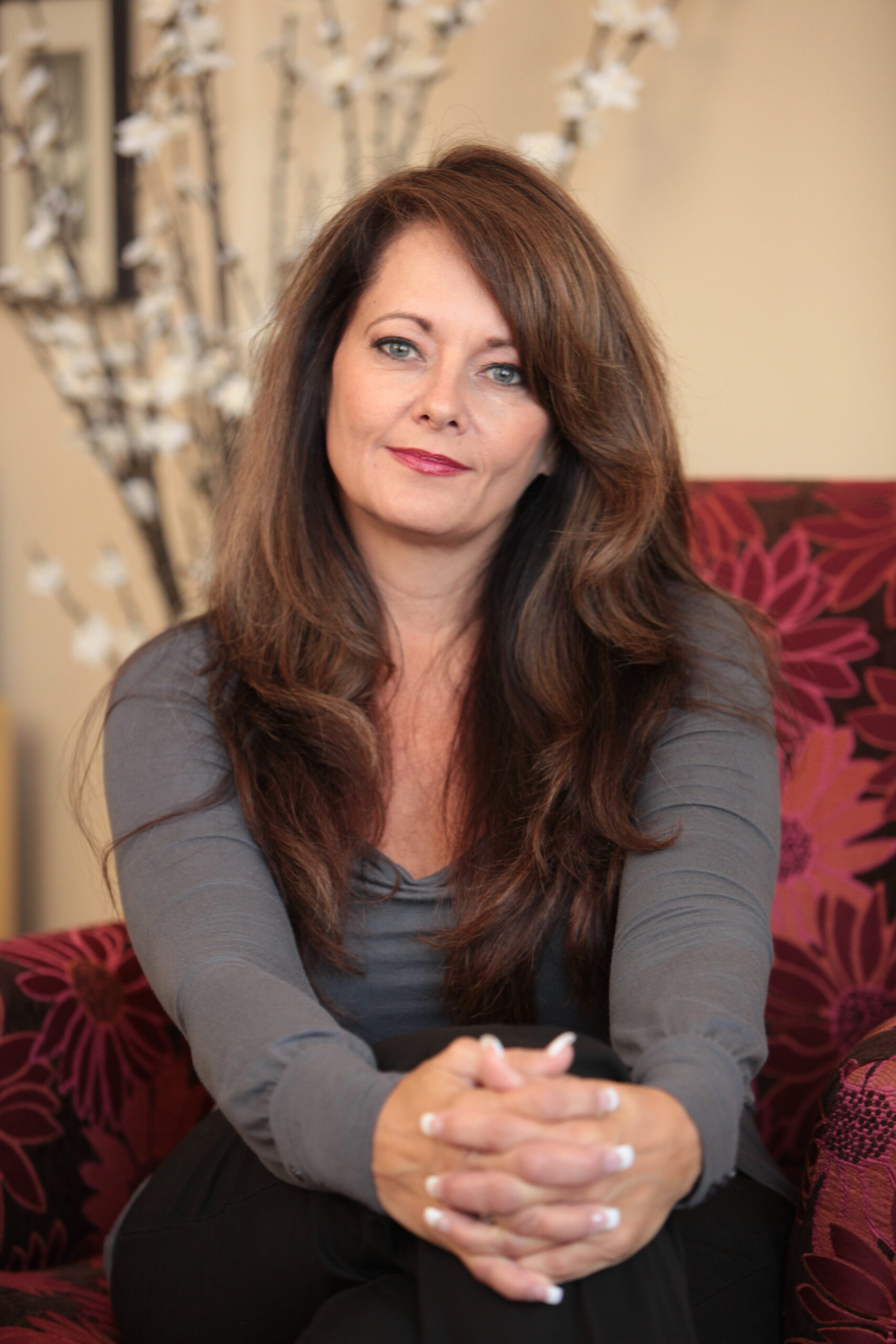
Dr. Laura Tanzini’s career in healthcare began at age 17 and has spanned medical science, public health, clinical psychology, trauma treatment, teaching, research, and behavioral healthcare leadership.

Before becoming a therapist, she spent 11 years working in anatomical pathology at City of Hope, one of the nation’s leading cancer research and treatment centers. That early experience in medicine shaped the way she would later approach mental health: with an understanding that psychological health cannot be separated from the physical body, environment, behavior, relationships, and lived experience.

She later earned a Master’s degree in Psychology with a specialty in Marriage and Family Therapy and became a Licensed Marriage and Family Therapist. She went on to earn her Doctor of Public Health (DrPH) from Loma Linda University, specializing in Prevention and Lifestyle Medicine.

Her doctoral research examined childhood and adult trauma, cumulative trauma exposure, forgiveness, life satisfaction, and long-term well-being—areas that continue to influence her clinical philosophy today.

Clinical Experience Across the Full Continuum of Care

Dr. Tanzini’s career has included outpatient mental health, intensive trauma treatment, crisis intervention, residential treatment, partial hospitalization, and behavioral healthcare leadership.

Prior to founding Kinder in the Keys, she owned and operated a full-service counseling and treatment center for more than a decade, providing outpatient services, higher levels of behavioral healthcare, and intensive trauma workshops.

Her clinical work has included individuals with complex trauma histories, childhood and adult trauma, sexual abuse, relationship trauma, anxiety, depression, eating disorders, and co-occurring mental health conditions.

Military PTSD and Suicide-Risk Assessment

Dr. Tanzini also worked on U.S. military installations assessing service members returning from deployment for PTSD and suicide risk.

She worked with active-duty service members across military ranks, evaluating the psychological effects of deployment and identifying individuals who required additional intervention or support.

This work provided direct clinical experience with combat- and deployment-related trauma and with the ways traumatic exposure can continue affecting psychological functioning after a service member returns home.

Her work with the military was recognized by leadership within the United States European Command (USEUCOM), where she was presented with a command coin in recognition of her service.

That experience further influenced her understanding of PTSD, trauma exposure, suicide risk, and the importance of identifying what lies beneath symptoms rather than treating those symptoms in isolation.

Educator, Researcher, and Clinician

In addition to clinical practice, Dr. Tanzini has taught at the university level, including courses in psychopharmacology, abnormal psychology, human development, and substance use disorders. She has mentored graduate clinicians and participated in doctoral-level academic work.

Her research and academic interests have included trauma, forgiveness, life satisfaction, behavioral health, nutrition, chronic disease, and the relationship between physical and psychological well-being.

Her doctoral work on forgiveness also reinforced a principle she had observed repeatedly in clinical practice: healing cannot be reduced to a prescribed emotional outcome.

When a patient would say early in treatment, “I’ve already forgiven the person who hurt me,” Dr. Tanzini’s response was often:

“What did you do with all of the feelings?”

For her, forgiveness should never become a way of bypassing anger, grief, betrayal, fear, or pain that still needs to be processed.

The Philosophy Behind Kinder in the Keys

Dr. Tanzini’s clinical philosophy was shaped not only by decades of professional experience, but also by personal experience.

Having experienced childhood trauma and panic disorder herself, she understands what it feels like when fear and past experiences begin controlling the present.

Through her own healing, clinical practice, and research, she developed a philosophy that remains central to Kinder in the Keys:

“You don’t go around the trigger to heal it. You run to the trigger.”

That does not mean overwhelming a patient or forcing someone to confront something before she is ready.

It means lasting recovery requires more than learning how to avoid discomfort.

Treatment must eventually help a woman understand what activates her, where those reactions originated, what beliefs and behaviors developed around them, and how she can respond differently.

Dr. Tanzini believes effective mental health treatment must address the whole person: past experiences, thought patterns, emotions, relationships, behavior, physical health, nutrition, movement, sleep, and the environment in which healing occurs.

The goal is not simply to help someone cope better with symptoms.

The goal is to understand why those symptoms developed and create meaningful, lasting change.

Why She Founded Kinder in the Keys

Dr. Tanzini founded Kinder in the Keys to create the kind of treatment environment she believed women needed but too often could not find within larger behavioral healthcare systems.

Kinder was intentionally designed as a small, women-only program where treatment could remain highly individualized and clinicians could truly know the women they were treating rather than simply manage large caseloads.

Under her leadership, Kinder in the Keys has developed residential and partial hospitalization programs for women experiencing trauma, PTSD, depression, anxiety, narcissistic abuse and relationship trauma, eating disorders when clinically appropriate, and other complex mental health concerns.

The program integrates evidence-based psychotherapy with attention to physical health, nutrition, movement, sleep, relationships, environment, and long-term behavioral change.

Dr. Tanzini remains actively involved in the clinical philosophy and direction of Kinder rather than functioning solely as an administrative owner.

Treatment Should Help Women Reclaim Their Lives

Dr. Tanzini does not believe a woman should be defined by a diagnosis, a traumatic experience, or the worst period of her life.

She also does not believe successful treatment means simply becoming better at tolerating an unhealthy life.

Treatment should help women understand themselves differently, develop stronger boundaries, recognize destructive patterns, rebuild trust in their own judgment, improve physical and emotional health, and create lives they genuinely want to return to.

That philosophy is reflected throughout Kinder in the Keys:

Treat the whole person. Understand what is underneath the symptoms. Do the work that creates lasting change.

Ultimately, the purpose of treatment is to help each woman rediscover who she is when her life is no longer organized around fear, trauma, or illness.

Education, Licensure & Professional Experience

  • Doctor of Public Health (DrPH) — Loma Linda University; Prevention & Lifestyle Medicine
  • Master’s Degree in Psychology — Marriage and Family Therapy
  • Bachelor’s Degree in Biology — emphasis in human functioning
  • Licensed Marriage and Family Therapist — Florida and California
  • 11 Years in Anatomical Pathology — City of Hope
  • Military PTSD & Suicide-Risk Assessment — returning deployed service members across military ranks
  • Recognition from U.S. European Command — recipient of a command coin in recognition of her military-support work
  • Former University Instructor — behavioral health and psychology disciplines
  • Founder & CEO — Kinder in the Keys

Professional Affiliations

Dr. Tanzini’s professional affiliations have included organizations spanning psychology, marriage and family therapy, public health, lifestyle medicine, and integrative medicine.

Her professional focus continues to bridge disciplines that are too often treated separately: mental health, physical health, trauma, behavior, relationships, and lifestyle.

That integration remains at the heart of both her work and the treatment philosophy of Kinder in the Keys.