
How Therapy for Abandonment Trauma and Attachment-Focused Treatment Work
Therapy for abandonment trauma can help women understand why experiences of rejection, separation, loss, or emotional disconnection continue to affect relationships long after the original experience occurred. “Abandonment trauma” is not a formal mental health diagnosis. The term is commonly used to describe emotional and relational patterns that may develop after significant experiences of loss, […]
How to Deal With Abandonment Issues: Practical Steps That Help

Learning how to deal with abandonment issues is not as simple as telling yourself to trust people more. Fear of being left can affect how a woman interprets relationships, responds to distance, asks for reassurance, handles conflict, and protects herself when she feels vulnerable. One woman may become intensely anxious when someone pulls away. Another […]
Cognitive Behavioral Therapy for Abandonment Issues: The Cognitive Restructuring Techniques That Actually Work
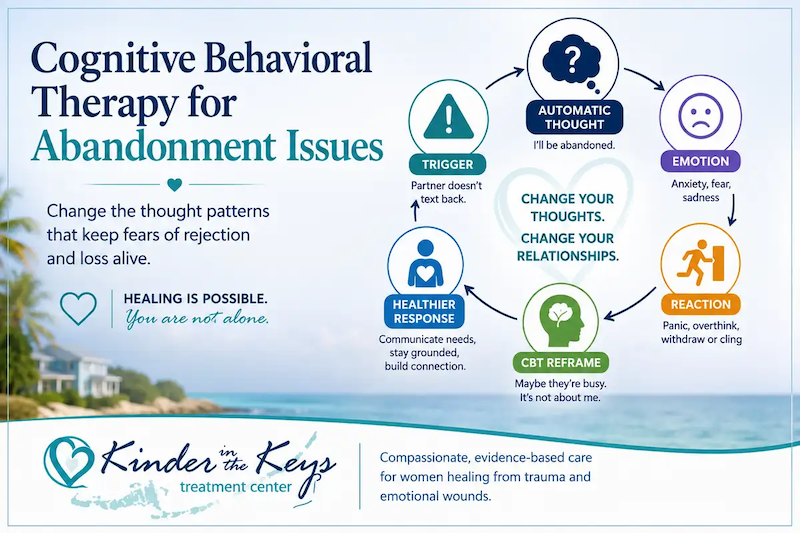
Cognitive behavioral therapy for abandonment issues can help women recognize and change the thought patterns that keep fears of rejection and loss active in adult relationships. When someone has experienced significant loss, neglect, rejection, or inconsistent relationships, even ordinary distance can begin to feel threatening. CBT provides a structured way to examine these interpretations, regulate […]
Where Trauma Is Stored in the Body: What the Science Actually Shows
Where trauma is stored in the body is a common question, particularly for people who notice physical reactions long after a difficult or frightening experience has ended. The important distinction is that trauma is not literally stored in a particular muscle, organ, joint, or area of the body. What can persist are changes in the […]
What Happens After Trauma Treatment? A Guide to Aftercare
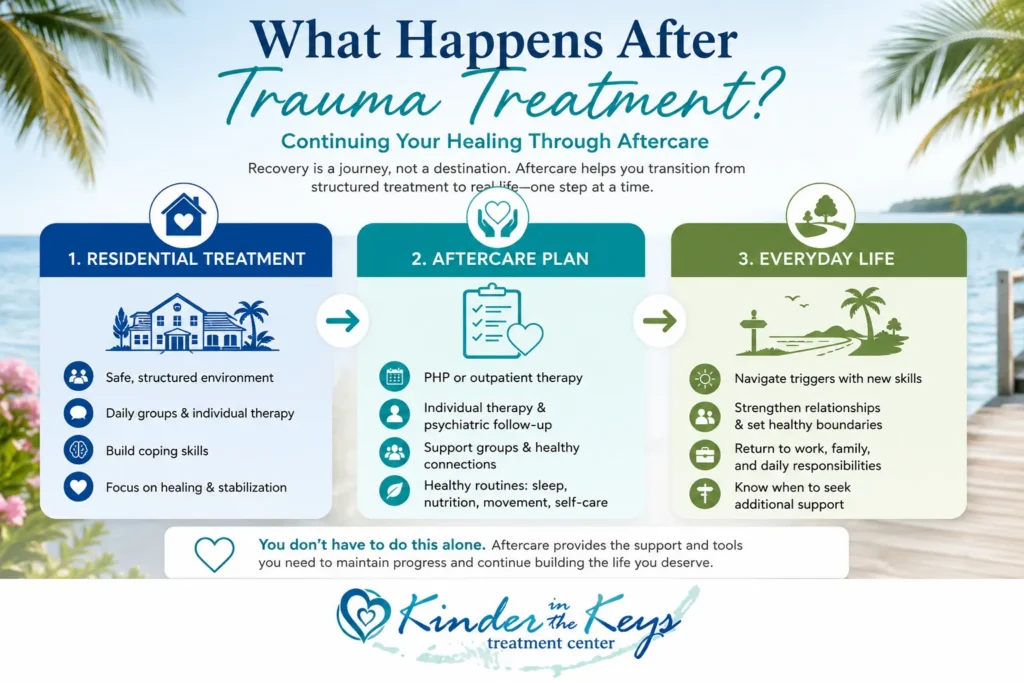
What happens after trauma treatment can be almost as important as what happens during treatment. Completing residential trauma treatment is a significant transition. During treatment, much of your time and attention can be directed toward understanding symptoms, developing healthier coping strategies, addressing trauma-related patterns, and practicing new ways of responding to emotions, relationships, and stress. […]
7 Signs you May Need Trauma Therapy & When to Get Help
Wondering whether you’re seeing signs you need trauma therapy can be confusing, especially when your experiences don’t fit the stereotypical image of trauma. Many people associate trauma exclusively with catastrophic events such as military combat, serious accidents, natural disasters, or violent assaults. Those experiences can certainly be traumatic, but difficult experiences can affect mental health […]
How Trauma Affects Women Differently
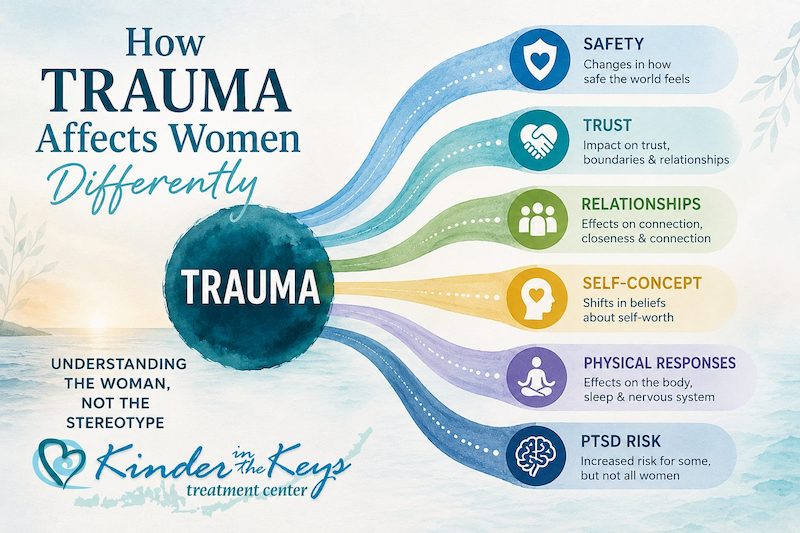
How trauma affects women differently is an important question, particularly because women experience some types of traumatic events at higher rates than men and are more likely to develop post-traumatic stress disorder (PTSD). That does not mean women are inherently less resilient, biologically programmed to respond poorly to trauma, or destined to develop PTSD after […]
What is Trauma-Informed Care?
What is trauma-informed care? Trauma-informed care is an approach to mental health treatment that recognizes how past traumatic experiences can affect the way a person thinks, feels, responds to stress, relates to others, and experiences the world around them. Rather than focusing only on symptoms, trauma-informed care considers an important question: What has happened in […]
Understanding Trauma Bonding in Abusive Relationships
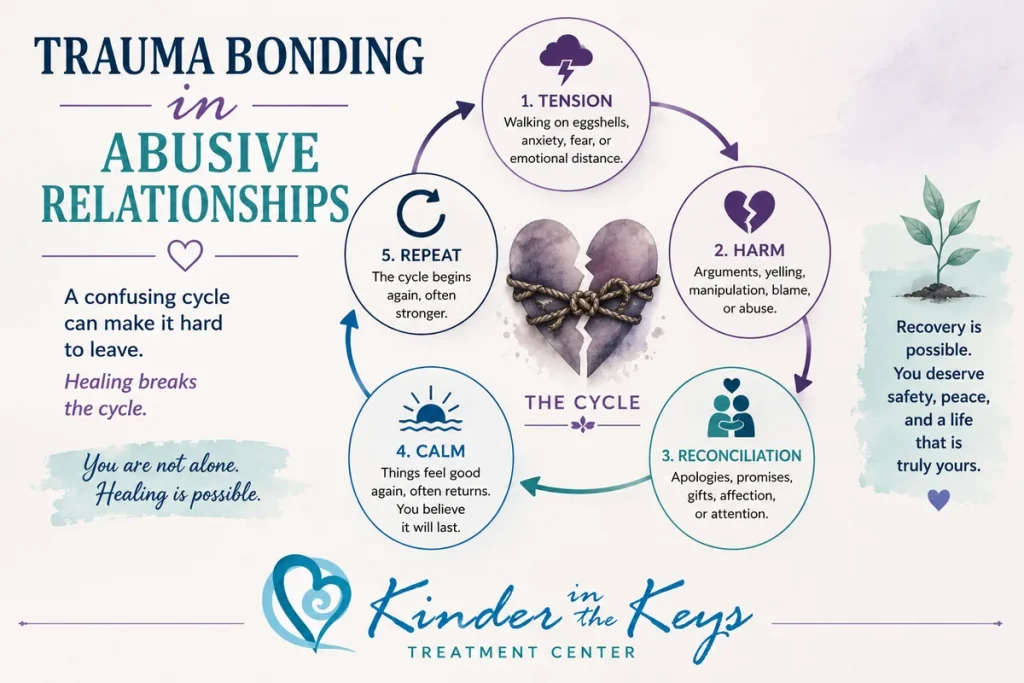
Trauma bonding in abusive relationships can create one of the most confusing experiences a woman may face: knowing that a relationship is hurting you while still feeling deeply attached to the person causing the harm. You may recognize the manipulation. You may know the relationship is unhealthy. You may have left—and returned. You may even […]
CBT for Trauma

CBT for trauma can help women understand how traumatic experiences continue to influence thoughts, emotions, behaviors, relationships, and reactions long after the original experience has ended. Trauma can change the way a woman interprets herself and the world around her. She may begin to believe that she is unsafe even when danger has passed, blame […]