
When is women’s residential trauma treatment the right choice? Residential trauma treatment may be right when weekly therapy hasn’t brought lasting relief and trauma symptoms such as flashbacks, panic, hypervigilance, or emotional overwhelm are disrupting daily life. A women-only residential program offers round-the-clock support, a safe environment, and intensive, trauma-informed therapy that outpatient care can’t provide.
Many women spend years in outpatient therapy trying to heal from trauma. They show up every week, talk through what happened, and learn a few coping skills, yet the nightmares continue, relationships still feel unsafe, and their bodies stay on high alert. Eventually, it’s easy to wonder whether something is wrong with you, or whether healing is even possible.
The truth is that some trauma needs more than one hour a week. In this guide, Kinder in the Keys, a women-only treatment center in Key Largo, Florida, explains when outpatient therapy may not be enough, what residential trauma treatment involves, and how a safe, structured setting can help women finally move forward.
What Is Residential Trauma Treatment?

Residential trauma treatment is an intensive level of care in which you live at a treatment center and receive structured, trauma-focused therapy every day. Instead of fitting healing into a busy week, residential care gives you time, space, and support to focus fully on recovery.
Typically, residential trauma treatment includes:
- Individual therapy with trauma-informed clinicians
- Group therapy with peers who understand similar experiences
- Skills-based work for emotional regulation and grounding
- Treatment for co-occurring conditions such as anxiety or depression
- Holistic and wellness practices that help calm the nervous system
- Around-the-clock support in a safe, structured environment
At Kinder in the Keys, our women’s trauma treatment center provides residential care designed exclusively for women, including treatment for PTSD, complex trauma and C-PTSD, childhood trauma, relational trauma, trauma bonding, and the effects of narcissistic abuse.
Why Does a Women-Only Setting Matter for Trauma?
For many women, trauma is connected to relationships, abuse, or violence. As a result, feeling physically and emotionally safe is essential for healing. A women-only environment can make it easier to open up, rebuild trust, and explore painful experiences without fear of judgment. In addition, being surrounded by other women who understand can reduce shame and isolation.
Why Isn’t Outpatient Therapy Always Enough for Trauma?
Outpatient therapy can be very helpful, and for many people it’s the right fit. However, severe or complex trauma sometimes requires more support than weekly sessions can offer. For example:
- Time between sessions: A week is a long time when flashbacks, panic, or nightmares happen daily.
- Returning to triggers: After each session, you go back to the same environment, relationships, or stressors that may keep your nervous system on alert.
- Limited depth: It can be hard to safely process deep trauma in short sessions, especially when you have to “pull it together” afterward.
- Survival mode: When your body is in constant fight-or-flight, it may be difficult to absorb new skills.
In other words, some women need a safe place to slow down before real healing can begin.
You May Also Enjoy: High-Functioning PTSD: Signs You Might Be Overlooking
What Are the Signs You May Need Residential Trauma Treatment?
Every woman’s experience is different, but certain signs suggest that a higher level of care may help. You may benefit from residential trauma treatment if you:
- Have been in outpatient therapy but still feel stuck
- Experience flashbacks, nightmares, or intrusive memories most days
- Feel constantly on edge, jumpy, or unable to relax
- Struggle with panic attacks, dissociation, or emotional numbness
- Notice trauma affecting your sleep, body, relationships, or career
- Have survived narcissistic abuse, domestic violence, or sexual trauma and can’t seem to move forward
- Find yourself returning to unhealthy or abusive relationships
- Are using alcohol, food, or other behaviors to cope with painful emotions
According to the National Institute of Mental Health, post-traumatic stress disorder (PTSD) can involve intrusive memories, avoidance, negative changes in thinking and mood, and heightened reactivity. When these symptoms are severe or long-lasting, more intensive care can make a meaningful difference.
Most importantly, if you are having thoughts of suicide or self-harm, call or text the 988 Suicide & Crisis Lifeline or call 911 right away.
You May Also Enjoy: Signs Your Body Is Still in Survival Mode After Narcissistic Abuse — and When to Consider Residential Care
How Does Residential Trauma Treatment Help Women Heal?
Residential trauma treatment works differently from weekly therapy because it combines safety, structure, and intensity. Here’s how it helps.
How Does a Safe Environment Support Healing?
Trauma teaches the nervous system that the world is dangerous. In a calm, structured, women-only setting, your body finally has a chance to settle. As a result, many women find they can sleep better, think more clearly, and engage more deeply in therapy once they feel physically and emotionally safe.
Why Does Daily Therapy Make a Difference?
In residential care, therapy happens every day, not just once a week. Consequently, you can build momentum, work through difficult emotions as they arise, and practice new skills with immediate support. Rather than “holding it together” until your next appointment, you have a team ready to help in real time.
How Do Peers Help in Trauma Recovery?
Trauma often leaves women feeling isolated, ashamed, or different from everyone else. In residential treatment, however, you’re surrounded by women who understand. Over time, sharing experiences, offering support, and receiving feedback can rebuild trust and reduce shame.
Women who have been through residential trauma programs often describe how powerful this is. In a Reddit thread on r/ptsd titled “Has anyone here ever gone to a PTSD/trauma specific inpatient facility?“, one woman described her six-week residential, women-only trauma program, including the group therapy and lasting friendships she built there. Looking back, she shared:
“I don’t think I could have done it without the program.”
— u/Perrythepervypus, r/ptsd
She also explained that while she still has some anxiety and flashbacks, they no longer have the same grip on her life, which is a realistic and hopeful picture of what trauma healing can look like.
What Does Research Say About Residential Trauma Treatment?
Research supports the benefits of residential trauma care. For example, a study of residential PTSD treatment outcomes, published in Psychological Trauma: Theory, Research, Practice, and Policy, found large reductions in both PTSD and depression symptoms at discharge that were maintained at a one-year follow-up. Notably, women in the study showed greater improvement in PTSD and depressive symptoms than men at discharge.
What Does Trauma-Informed Care Look Like in Residential Treatment?
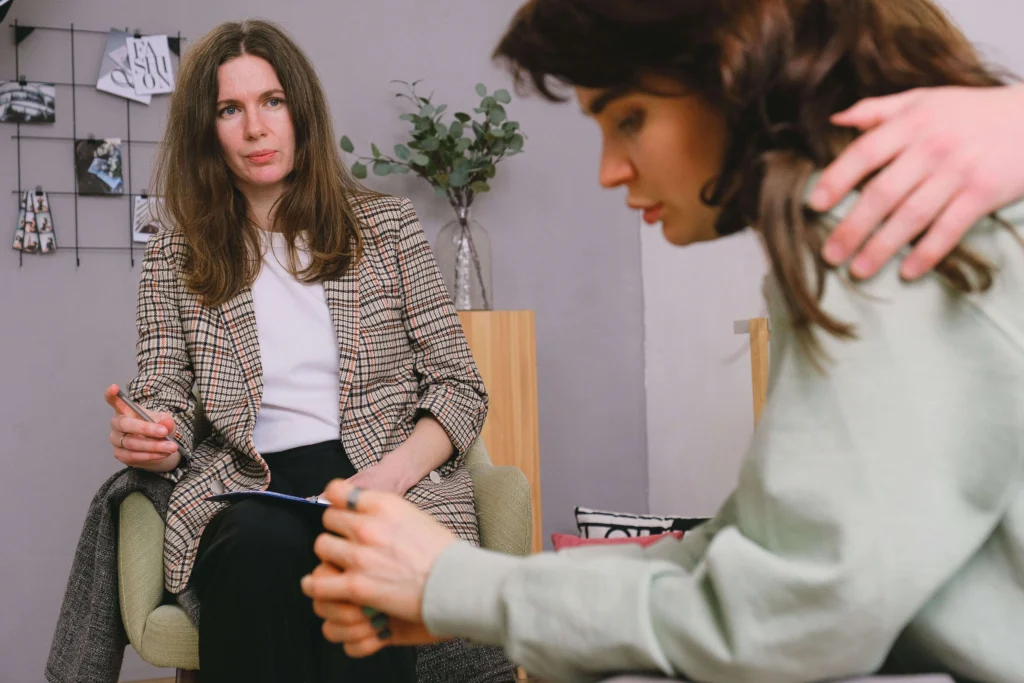
Trauma-informed care means every part of treatment is designed with an understanding of how trauma affects people. According to SAMHSA, a trauma-informed approach recognizes the widespread impact of trauma, responds with understanding, and actively avoids re-traumatization.
In practice, this means:
- Safety first: Physical and emotional safety guide every decision.
- Choice and control: You have a voice in your treatment and the pace of your healing.
- Trust and transparency: Clinicians are consistent, honest, and clear about what to expect.
- Collaboration: You and your care team work together as partners.
- Empowerment: Treatment builds on your strengths, not just your symptoms.
As a result, women often feel safe enough to explore experiences they’ve never been able to talk about before.
You May Also Enjoy: Why Trauma Bonding Keeps Repeating in Relationships
What Can You Expect at Kinder in the Keys?
Kinder in the Keys offers 100% women-only residential care in Key Largo, Florida, in a private and confidential setting. Our clinical approach goes beyond managing symptoms. Instead, we help women understand the experiences beneath those symptoms, recognize patterns that developed in response to trauma, and begin changing the emotional, physical, and relational responses that continue to affect their lives.
Treatment may address:
- PTSD, complex trauma, and C-PTSD
- Childhood and relational trauma
- Trauma bonding and the effects of narcissistic abuse
- Domestic violence, sexual trauma, and medical trauma
- Co-occurring anxiety and depression
In addition, our wellness amenities and the peaceful Florida Keys setting support nervous system regulation and whole-person healing. You can also meet our team to learn more about the clinicians who will support you.
What Happens After Residential Treatment?
Healing from trauma continues after you leave. That’s why aftercare planning is an important part of treatment. Before discharge, your care team helps you create a plan that may include outpatient therapy, support groups, and strategies for managing triggers at home. Learn more in our guide to what happens after trauma treatment.
How Can You Prepare for Residential Trauma Treatment?
Deciding to enter residential trauma treatment can feel both hopeful and overwhelming. Fortunately, a little preparation can make the transition easier. For example, you can:
- Talk with your employer or HR about medical leave options, if needed
- Arrange care for children, pets, or other responsibilities at home
- Let one or two trusted people know how to support you while you’re away
- Write down what you hope to get out of treatment, such as better sleep, fewer flashbacks, or healthier relationships
- Bring comfort items that help you feel grounded, such as a favorite journal or photos
It’s also normal to feel nervous before you arrive. However, many women find that the anticipation is harder than the first few days themselves. Once you settle in, the structure, support, and sense of safety often bring relief. Above all, remember that choosing to get help is an act of courage, not weakness.
Where Can Women Find Residential Trauma Treatment in Florida?
Kinder in the Keys welcomes women from Key Largo, Islamorada, Homestead, Miami, and communities throughout South Florida, as well as women who travel from across the country for women-only residential trauma treatment. If you’re coming from out of the area, our guide to traveling to Kinder in the Keys can help you plan, and our residential treatment packing list can help you prepare.
In addition, we accept most PPO insurance plans. You can verify your benefits online or learn more about our admissions process before reaching out.
Frequently Asked Questions About Residential Trauma Treatment
How long is residential trauma treatment?
Length of stay depends on each woman’s needs and progress. Many residential trauma programs last several weeks, with time built in to stabilize, process trauma, and plan for aftercare.
Do I have to talk about my trauma in detail?
No. You won’t be pressured to share more than you’re ready to. Trauma-informed care moves at a pace that feels safe for you.
Is residential trauma treatment only for PTSD?
No. Residential trauma treatment can also help with complex trauma, C-PTSD, trauma bonding, narcissistic abuse, and trauma-related anxiety or depression.
Why choose a women-only program?
A women-only setting can help many women feel safer, open up more easily, and connect with peers who understand their experiences.
Does insurance cover residential trauma treatment?
Many PPO insurance plans cover residential mental health treatment when it’s medically necessary. Our team can verify your benefits and explain your options.
Take the First Step Toward Healing
If outpatient therapy hasn’t been enough, you deserve care that meets you where you are. Contact Kinder in the Keys today to learn how our women’s residential trauma treatment program in Key Largo can help you feel safe, steady, and hopeful again.