
What Are Eating Disorders and Co-Occurring Disorders?
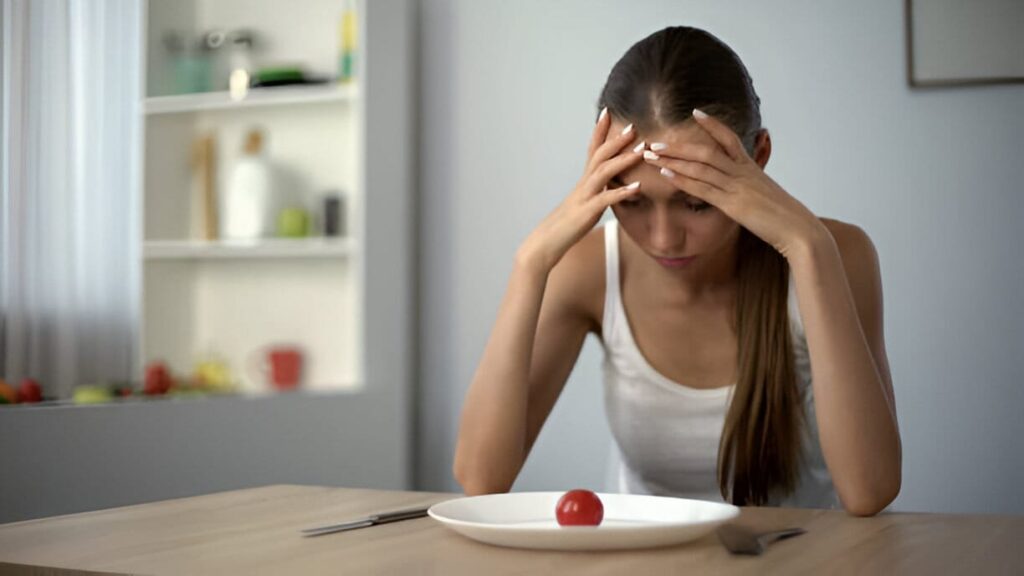
Eating disorders and co-occurring disorders often go hand in hand, significantly impacting mental health and overall well-being. Understanding this connection is crucial for effective treatment and recovery, especially when recognizing the early signs of eating disorder that may indicate the presence of underlying mental health conditions. This blog post explores various types of eating disorders, […]
The Intersection of Narcissism and Hypochondria

At the crossroads of narcissism and hypochondria lies a complex psychological terrain. Narcissism, characterized by an inflated sense of self-importance and a deep need for excessive attention and admiration, contrasts starkly with hypochondria, now more commonly referred to as illness anxiety disorder, where an individual is preoccupied with the idea of having a serious but […]
The Link Between Trauma and Eating Disorders in Women
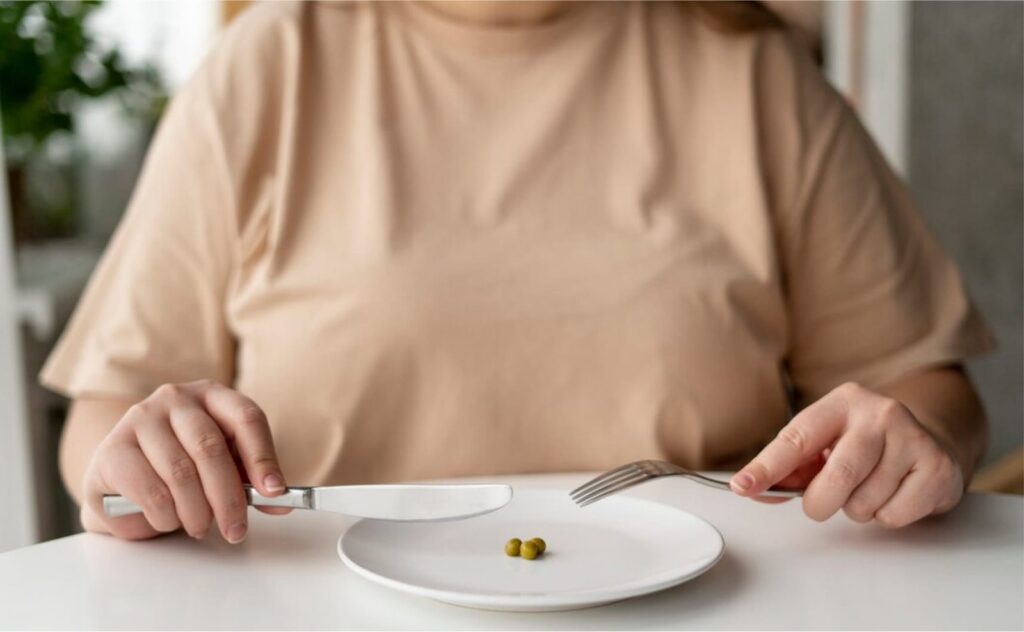
At Kinder in the Keys, we understand that traumatic experiences can trigger eating disorders in women. Trauma often leads to disordered eating patterns as a coping mechanism. This article explores the psychological and biological impacts of trauma on eating behaviors, highlights risk factors, and discusses therapeutic approaches to support women on their journey to healing. […]
How to Recognize the Early Signs of an Eating Disorder in Women
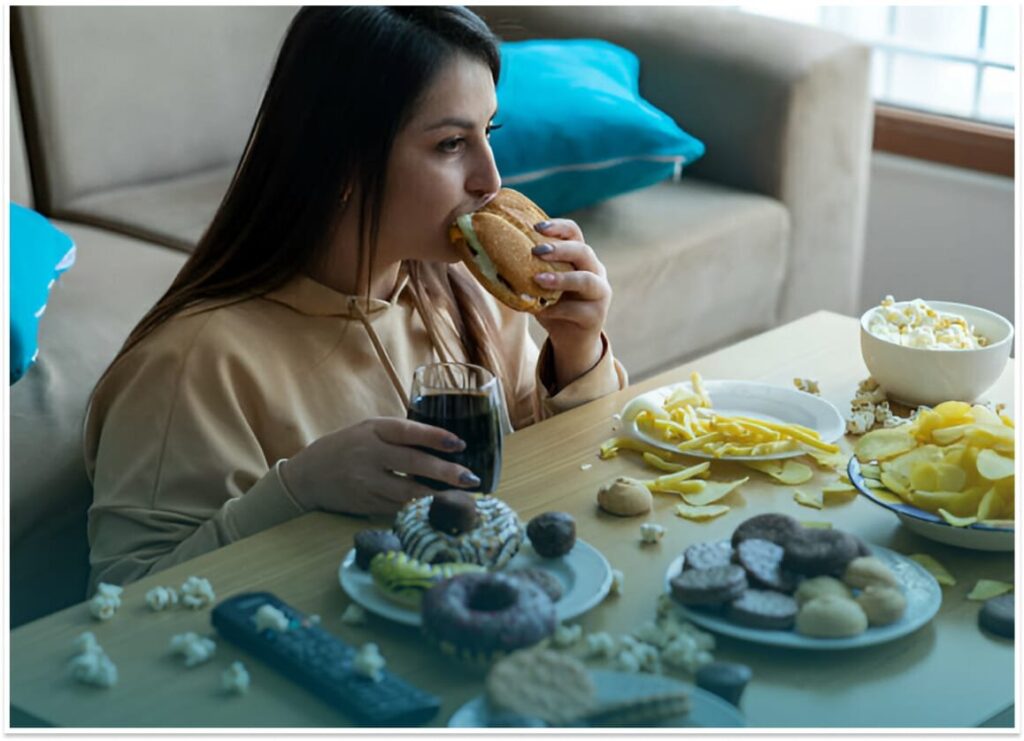
Recognizing the early signs of an eating disorder in women is essential for timely and effective intervention. Early detection can make a significant difference in the recovery process.Subtle changes in behavior, mood, and physical health can be easily overlooked or dismissed. This post will explore these early warning signs in detail, providing expert insights to […]
5 Most Common Eating Disorders in Women (And How To Treat Them)

Eating disorders impact millions of women, bringing severe physical and emotional challenges. This article explores the most common eating disorders affecting women, their symptoms, causes, and treatment options. Raising awareness and promoting understanding can encourage women affected by eating disorders to seek help and support. 5 Common Eating Disorders in Women Eating disorders disproportionately affect […]
Signs You Need Narcissistic Abuse Therapy

Narcissistic abuse can often leave deep, unseen scars that can impact you in profound ways. When you recognize these impacts, you’ll understand that seeking professional therapy is crucial for healing and recovery. This guide will help you identify the warning signs so you’ll know when to seek therapy for narcissistic abuse. If you’re still unsure […]
What Is A Holistic Approach to Mental Health, and Is It for You?

Holistic mental health refers to a comprehensive treatment strategy that seeks to address all aspects of an individual’s well-being—mental, physical, and spiritual—rather than merely alleviating symptoms of illness. Luxury mental health facilities are ideal settings for this approach, combining upscale amenities with therapeutic environments. It is grounded in the philosophy that each aspect of a […]
How Common is PTSD in Women?
Often, when we hear about post-traumatic stress disorder (PTSD), our minds jump to images of soldiers and war zones. While these are certainly valid contexts where PTSD manifests, the disorder extends far beyond, touching the lives of people across all demographics, including a large number of women worldwide. The relevance of PTSD in women is […]
What Causes Mental Breakdown? (Symptoms and Ways to Heal)
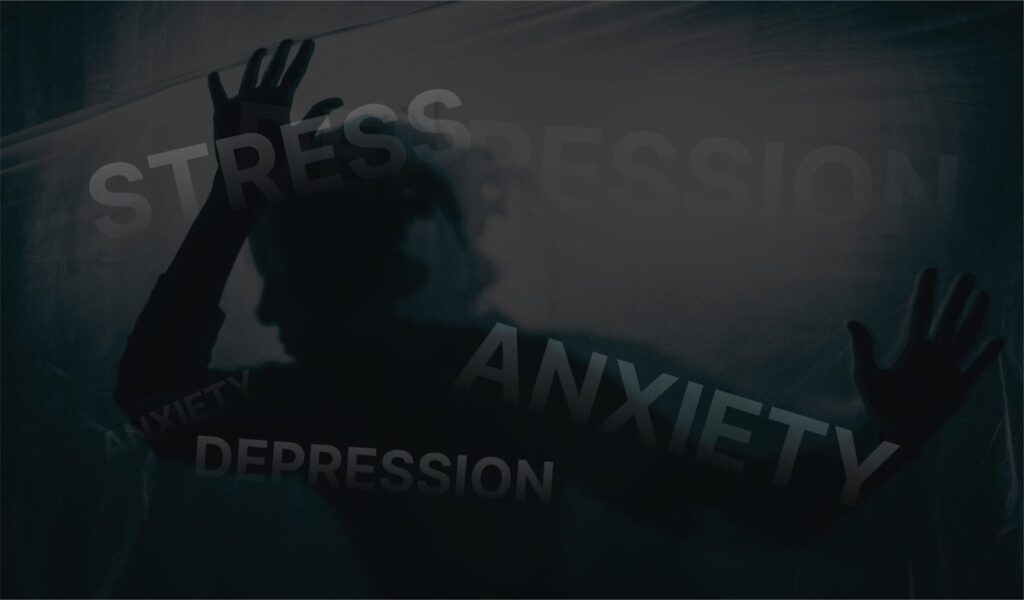
Mental breakdowns, often characterized by overwhelming stress and inability to function in daily life, are complex phenomena that can stem from a myriad of causes. This article aims to shed light on what causes mental breakdowns, identify accompanying symptoms, and understand crucial aspects for anyone facing or witnessing distressing experiences. As we explore the triggers, […]
Beat the Winter Blues

With darker mornings, shorter days, and gray weather, it’s no wonder that so many people feel blue during the winter months. The winter blues are relatively common and can cause you to feel sad and less energized. Some who feel depressed during the winter may actually have seasonal affective disorder (SAD), though this must be […]