
Depression is one of the most common mental health conditions in the world, affecting nearly 7% of U.S. adults each year and more than 16% at some point in their lifetime. What causes depression and so many people to be afflicted by it? The causes of this condition are widely misunderstood; it develops from a complex mix of biological, personal, and environmental forces rather than any single source. Treatment is available, and most people improve significantly with proper care and support.
Quick Takeaways
- Depression is a medical condition affecting millions of Americans every year
- Causes of depression include neurochemical disruptions, inherited factors, major life events, and personal factors
- Depression symptoms must persist for at least two weeks to meet diagnostic criteria
What Is Depression?
![Depression is one of the most common mental health conditions in the world, affecting nearly 7% of U.S. adults each year and more than 16% at some point in their lifetime. The causes of this condition are widely misunderstood; it develops from a complex mix of biological, personal, and environmental forces rather than any single source. Treatment is available, and most people improve significantly with proper care and support.
Quick Takeaways
Depression is a medical condition, not a weakness, affecting millions of Americans every year
Causes of depression include neurochemical disruptions, inherited factors, major life events, and personal factors
Depression symptoms must persist for at least two weeks to meet diagnostic criteria
What Is Depression?
Depression is one of the most prevalent mood disorders worldwide, characterized by a persistent feeling of sadness, hopelessness, and a loss of interest in activities once enjoyed. According to the American Psychiatric Association, the condition is far more serious than ordinary sadness, and it significantly disrupts how a person thinks, feels, and functions.
[IMAGE PLACEMENT: Person sitting alone looking downward near a window | alt: "person experiencing depression sitting alone by a window reflecting sadness"]
More than 16% of U.S. adults will experience depression at some point in their lives, according to the Centers for Disease Control. The condition can affect people at any age. Children and teenagers often display irritability and a sad mood rather than obvious sadness, while older adults may show more subtle signs of clinical depression. The American Psychiatric Association notes that a diagnosis requires symptoms to persist for at least two weeks and significantly impair daily functioning.
Depression is a genuine medical condition, not a character flaw. People cannot simply choose to feel better. The condition may feel isolating, but it responds well to treatment, and most people who seek help experience meaningful improvement.
What Causes Depression?
What causes depression is rarely one single thing. Personal factors, chronic stress, and significant life events all interact to determine whether someone develops the condition. No single biological marker or experience causes depression universally, and research suggests that the threshold for a depressive episode is lowered when multiple vulnerabilities combine over time.
Causes Depression: The Role of Biology
Biology is central to understanding the development of depression. Structural differences in the brain, disrupted neurotransmitter activity, and altered emotional processing all contribute to depressive disorders. These biological patterns interact with psychological factors in how a person processes stress, and together they shape overall risk.
Research suggests that depression may begin at the cellular level, where changes in nerve cells and their signaling pathways affect mood, motivation, and energy. When chronic adversity causes depression to emerge, it is often through its sustained impact on these biological systems and their ability to regulate emotion.
Chemical Imbalance and Brain Chemistry
A chemical imbalance is one of the most recognized explanations for why depression develops. Neurotransmitters, including serotonin, dopamine, and norepinephrine, regulate mood and emotional responses. When these brain chemicals fall out of balance, nerve cells lose their ability to communicate mood signals effectively, and the condition can take hold.
This is why antidepressant medications, particularly selective serotonin reuptake inhibitors, are commonly prescribed. These medications work by restoring serotonin availability and correcting the chemical imbalance that underlies many cases of depression. When left untreated, this neurochemical disruption can trigger a major depressive episode with symptoms severe enough to disrupt work, relationships, and daily life.
Genetic Vulnerability and Family History
Genetic vulnerability is one of the strongest and most consistent predictors of depression. Having blood relatives with major depressive disorder substantially increases a person's own likelihood of developing the condition. Genes that influence brain chemistry and the body's stress response can be inherited, creating a biological predisposition to mood disruption.
A family history of depression does not guarantee the condition will develop. Instead, it lowers the biological threshold, meaning that significant life events or chronic adversity are more likely to bring on depression in a predisposed individual. Those aware of their genetic vulnerability can take proactive steps toward early intervention and prevention.
Health Conditions That Can Trigger Depression
Chronic Health Conditions and Chronic Pain
Several health conditions are strongly associated with depression, particularly those involving long-term physical strain. Chronic pain, cancer, heart disease, and diabetes all create sustained physical and emotional burdens that raise the likelihood of developing depression over time. Managing a serious medical condition day after day places significant demands on a person's mental and emotional resources.
The relationship between these conditions and depression runs in both directions. Depression worsens the experience of chronic pain and other illnesses, while those illnesses simultaneously raise depression risk. Treating both the physical medical condition and any co-occurring mood disorder together typically produces better outcomes.
Health Problems, Hormones, and Sleep
Specific conditions, including thyroid disorders, hormonal imbalances, and nutritional deficiencies, can directly mimic or intensify depressive symptoms. Blood tests are a standard part of any diagnostic workup because they allow a doctor to rule out these physical causes before confirming a mental health diagnosis.
Hormonal changes are a particularly significant contributor to depression. Postpartum depression affects many new mothers and is directly tied to the hormonal shifts following childbirth, making it distinct from typical postpartum fatigue. Similarly, hormonal fluctuations during menopause can trigger a depressive episode in some individuals.
Sleep problems also play a central role, functioning both as a symptom and as a deepening factor. Poor sleep disrupts neurochemical balance, reduces emotional resilience, and weakens the body's ability to manage stress, creating a reinforcing cycle that can sustain depression over weeks or months.
Life Events and Environmental Triggers
Major Life Events That Trigger Depression
Major life events are among the most common external triggers of depression. Loss of a loved one, divorce, job loss, financial hardship, or prolonged illness can all push vulnerable individuals into a depressive episode. Even positive but overwhelming changes, such as the birth of a child or a major career transition, can contribute to onset when stressful events accumulate faster than a person can process them.
These life events do not cause depression in isolation. They interact with genetic predisposition, personal history, and existing mental health issues to determine whether the condition develops. When social support is limited and multiple stressors compound, the risk rises considerably.
Personal Factors and Personality
Personal factors play a major role in how vulnerable someone is to depression. Low self esteem, self-criticism, and pessimism create an internal environment where negative thinking becomes self-reinforcing and recovery becomes harder. Certain personality traits, including perfectionism, predispose people to experience depression when they face failure or sustained adversity.
Rumination, the habit of dwelling on negative experiences repeatedly, perpetuates depressive cycles. Relationship difficulties strip away crucial emotional buffers, and low self esteem intensifies the impact of setbacks by making it harder to challenge negative self-perceptions. Together, these personal factors can significantly increase how likely someone is to develop depression when circumstances become challenging.
Drug and Alcohol Use
Drug and alcohol use is directly linked to depression through several mechanisms. Substances alter brain chemicals in ways that can trigger depression independently of any life circumstances. Many people begin using recreational drugs or alcohol to cope with emotional pain, not realizing that substance abuse actually deepens and prolongs the condition over time.
This relationship works in both directions. Depression makes substances more appealing as a temporary escape, while heavy alcohol and drug use worsens depressive symptoms and undermines the effectiveness of any treatment. Chemical disruptions caused by heavy use can persist even after a person stops, complicating recovery. A healthcare provider can help develop an integrated care plan that addresses both drug and alcohol use and the underlying mood disorder at the same time.
Depression Symptoms
Common Symptoms of Depression
Recognizing depression symptoms early is one of the most important steps toward getting appropriate care. The most common symptoms of depression include persistent sadness or emptiness, loss of interest or pleasure in activities once enjoyed, fatigue, appetite changes, sleep disruption, difficulty concentrating, and feelings of worthlessness or excessive guilt.
Other symptoms of depression include physical manifestations such as chronic pain, headaches, and digestive problems with no clear physical cause. How the condition presents varies by age; children and teenagers are more likely to show irritability and behavioral changes rather than obvious sadness, while older adults may display more subtle or atypical signs. According to the American Psychiatric Association, for a major depressive disorder diagnosis, symptoms of depression must persist for at least two weeks and significantly interfere with daily functioning.
Even mild depression warrants professional evaluation, since early intervention can prevent progression to more severe forms of the condition.
Severe Depression and Its Impact
Severe depression is the most disabling form of the condition and can make even basic daily functioning feel impossible. People experiencing severe depression often struggle to maintain employment, sustain relationships, or manage routine self-care without professional support.
Many who experience depression alongside other mental health challenges face a more complex path to recovery. Approximately 60% of comorbid conditions co-occurring with depression are anxiety disorders, including generalized anxiety, panic disorder, and social phobia. This combination creates a worse course and makes treatment more demanding, underscoring the importance of thorough evaluation and comprehensive care.
Types of Depressive Disorder
Several distinct types of depressive disorder exist, each differing in duration, severity, and the specific circumstances that lead to its onset. Understanding these distinctions helps clarify both diagnosis and the most appropriate treatment direction.
[IMAGE PLACEMENT: Visual chart comparing types of depression | alt: "infographic comparing major depressive disorder, persistent depressive disorder, bipolar, and postpartum types"]
Type of Depression
Duration
Key Features
Major Depressive Disorder
Episodes of 2+ weeks
Severe symptoms significantly impairing daily life
Persistent Depressive Disorder
2+ years
Chronic, less intense symptoms with ongoing quality-of-life impact
Bipolar
Varies by episode
Alternating episodes of low mood and mania or hypomania
Postpartum Depression
Weeks to months post-birth
Triggered by hormonal shifts; more serious than typical post-birth adjustment
Clinical Depression
Ongoing
Broad clinical term for any depressive condition requiring professional treatment
Major depressive disorder is the most severe form, requiring at least one episode lasting two weeks or longer with symptoms that significantly impair functioning. Persistent depressive disorder is a chronic condition lasting at least two years; it is less intense but persistently disruptive to quality of life.
Bipolar disorder involves cycling between depressive and manic or hypomanic episodes, with the depressive phase closely resembling major depression clinically. Postpartum depression is distinct from typical post-birth fatigue and is directly linked to the hormonal changes and life stressors that accompany childbirth. Clinical depression is the broad umbrella term used for any depressive disorder serious enough to require professional treatment.
Risk Factors for Depression
Certain risk factors consistently increase the likelihood of developing depression. Understanding these helps enable earlier intervention and more targeted prevention.
Key contributors to depression include:
Family history of depression or other mental health conditions
Genetic vulnerability related to neurochemical regulation and the stress response
Chronic health conditions or serious illness
Major life stressors, including loss, trauma, or financial hardship
Drug and alcohol use or a history of substance abuse
Low self esteem, perfectionism, or pessimistic thinking patterns
Limited social connections and community support
Childhood adversity, including physical or sexual abuse or neglect
Hormonal changes linked to pregnancy, childbirth, or menopause
Co-occurring mental health conditions such as anxiety disorders
Childhood adversity is among the most enduring contributors to depression. Research from the National Institute of Mental Health indicates that early trauma fundamentally changes how the brain processes and responds to stress, creating lasting vulnerability to mental disorders throughout adulthood.
Healthcare Provider: When to Seek Help
When to See a Healthcare Provider
Knowing when to contact a healthcare provider is critical. If depression symptoms persist for two weeks or longer and begin interfering with work, relationships, or daily functioning, it is time to act. It is always better to seek treatment sooner rather than later; waiting for early symptoms to worsen leads to worse outcomes and longer recovery times.
A healthcare provider will typically begin with blood tests to rule out physical causes such as thyroid dysfunction or nutritional deficiencies, then complete a thorough mental health evaluation. They can provide an accurate diagnosis and develop a tailored treatment plan or refer you to a mental health professional who specializes in depressive disorder treatment.
Mental Health Treatment Options
Effective treatment for depression is available, and most people who experience depression see meaningful improvement with the right approach. The most effective plans typically combine several strategies tailored to the severity and individual circumstances.
Talk therapy, particularly cognitive behavioral therapy, is one of the most well-supported psychological treatment options for depression. It helps people identify and change unhelpful thought patterns, build coping skills, and break cycles of rumination. Other useful approaches include interpersonal therapy, group therapy, and psychodynamic therapy.
Medications that correct these neurochemical imbalances are a cornerstone of care for moderate to severe depression. A psychiatrist or doctor can determine the appropriate type and dose based on the type and severity of the condition.
Beyond formal clinical care, lifestyle factors matter. Regular physical activity, a healthy diet, and consistent sleep all strengthen emotional resilience. Research suggests that sustained exercise can be as effective as medication for mild depression. Connecting with a faith community or supportive group also provides the social grounding that helps counter the isolation that commonly deepens depression.
How to Prevent Depression
Steps to Prevent Depression
While it is not always possible to prevent depression entirely, evidence-based strategies can substantially reduce risk and delay onset. Understanding your personal factors and individual vulnerabilities allows for a more proactive approach to mental health.
Steps that can lower your risk include:
Building and maintaining strong social relationships and support networks
Developing healthy coping skills for managing stress and setbacks
Addressing drug and alcohol use before it creates or worsens mood difficulties
Maintaining a healthy diet, regular exercise, and consistent sleep habits
Staying connected with a healthcare provider who can monitor any medical condition that could worsen mood
Seeking mental health professional guidance proactively if you carry a strong family history of depression
Getting Help in a Crisis
If you are in crisis or experiencing thoughts of self-harm, immediate support is available through the 988 Suicide and Crisis Lifeline. Calling or texting 988 connects you with free, confidential help 24 hours a day. This crisis lifeline exists for moments when depression feels unbearable and help seems out of reach.
Reaching out to a mental health professional, a trusted person in your life, or a spiritual leader is always the right move. Depression is a treatable medical condition, and recovery is genuinely possible. Effective treatment exists for every form of depression, and you do not have to face this alone.
Conclusion
what causes depression It is not an easy answer, being a mixture of different facts.](https://kinderinthekeys.com/wp-content/uploads/2026/04/what-causes-depression-It-is-not-an-easy-answer-being-a-mixture-of-different-facts.jpg)
Depression is one of the most prevalent mood disorders worldwide, characterized by a persistent feeling of sadness, hopelessness, and a loss of interest in activities once enjoyed. According to the American Psychiatric Association, the condition is far more serious than ordinary sadness, and it significantly disrupts how a person thinks, feels, and functions.
More than 16% of U.S. adults will experience depression at some point in their lives, according to the Centers for Disease Control. The condition can affect people at any age. Children and teenagers often display irritability and a sad mood rather than obvious sadness, while older adults may show more subtle signs of clinical depression. The American Psychiatric Association notes that a diagnosis requires symptoms to persist for at least two weeks and significantly impair daily functioning.
Depression is a genuine medical condition, not a character flaw. People cannot simply choose to feel better. The condition may feel isolating, but it responds well to treatment, and most people who seek help experience meaningful improvement.
Compassionate Depression Treatment for Women
Discover personalized care, evidence-based therapies, and a supportive path toward healing and long-term emotional wellness.
What Causes Depression?
What causes depression is rarely one single thing. Personal factors, chronic stress, and significant life events all interact to determine whether someone develops the condition. No single biological marker or experience causes depression universally, and research suggests that the threshold for a depressive episode is lowered when multiple vulnerabilities combine over time.
Causes Depression: The Role of Biology
Biology is central to understanding the development of depression. Structural differences in the brain, disrupted neurotransmitter activity, and altered emotional processing all contribute to depressive disorders. These biological patterns interact with psychological factors in how a person processes stress, and together they shape overall risk.
Research suggests that depression may begin at the cellular level, where changes in nerve cells and their signaling pathways affect mood, motivation, and energy. When chronic adversity causes depression to emerge, it is often through its sustained impact on these biological systems and their ability to regulate emotion.
Chemical Imbalance and Brain Chemistry
A chemical imbalance is one of the most recognized explanations for why depression develops. Neurotransmitters, including serotonin, dopamine, and norepinephrine, regulate mood and emotional responses. When these brain chemicals fall out of balance, nerve cells lose their ability to communicate mood signals effectively, and the condition can take hold.
This is why antidepressant medications, particularly selective serotonin reuptake inhibitors, are commonly prescribed. These medications work by restoring serotonin availability and correcting the chemical imbalance that underlies many cases of depression. When left untreated, this neurochemical disruption can trigger a major depressive episode with symptoms severe enough to disrupt work, relationships, and daily life.
Genetic Vulnerability and Family History
Genetic vulnerability is one of the strongest and most consistent predictors of depression. Having blood relatives with major depressive disorder substantially increases a person’s own likelihood of developing the condition. Genes that influence brain chemistry and the body’s stress response can be inherited, creating a biological predisposition to mood disruption.
A family history of depression does not guarantee the condition will develop. Instead, it lowers the biological threshold, meaning that significant life events or chronic adversity are more likely to bring on depression in a predisposed individual. Those aware of their genetic vulnerability can take proactive steps toward early intervention and prevention.
How Medications and Prescriptions Can Trigger Depression
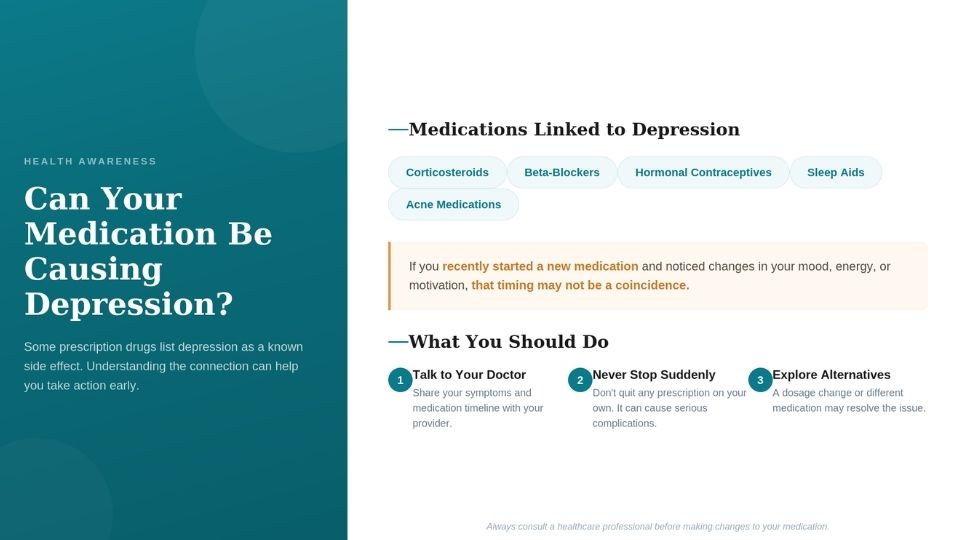
Certain prescription medications list depression as a known side effect, and for some people, the connection is direct and significant. Corticosteroids, beta-blockers, hormonal contraceptives, sleep aids, and some acne medications have all been linked to depressive symptoms in certain individuals. If you recently started a new medication and noticed changes in your mood, that timing may not be a coincidence. Always speak with your healthcare provider before stopping any prescription, as adjusting dosage or switching to an alternative medication may resolve the issue without compromising your underlying treatment.
Hormonal Causes of Depression in Women
Hormonal changes are one of the most significant and underrecognized causes of depression in women. Fluctuations in estrogen and progesterone throughout the menstrual cycle, during pregnancy, after childbirth, and through menopause can all destabilize mood and trigger depressive episodes.
Postpartum depression is one of the most well-known examples, affecting many new mothers in the weeks and months following delivery. Premenstrual dysphoric disorder is another hormonally driven condition that causes severe depressive symptoms in the days before menstruation. Women experiencing mood changes tied to hormonal shifts deserve targeted mental health treatment rather than a one-size-fits-all approach.
Because depression does not look the same in everyone, learning what depression looks like in women vs. men can help you or someone you love identify symptoms that might otherwise go unnoticed.
Lifestyle Factors That Contribute to Depression
Daily habits have a profound impact on mental health, and certain lifestyle patterns consistently raise depression risk. Poor sleep, physical inactivity, a diet high in processed foods, social isolation, and chronic stress all deplete the brain chemicals responsible for mood regulation. Drug and alcohol use further compounds the problem by disrupting neurochemical balance and eroding the relationships and routines that support emotional well-being. The good news is that lifestyle factors are among the most actionable contributors to depression. Small, consistent changes, including regular exercise, a healthy diet, and stronger social connections, can meaningfully reduce symptoms and support recovery alongside professional mental health treatment.
How Trauma and Past Experiences Lead to Depression
Traumatic experiences, particularly those occurring in childhood, leave a lasting imprint on how the brain processes stress and regulates emotion. Physical or sexual abuse, neglect, the loss of a parent, or growing up in a household affected by substance abuse can permanently alter brain chemistry in ways that increase vulnerability to depression later in life. These early experiences shape thought patterns, coping behaviors, and self-perception, often in ways the individual is not fully aware of.
Adult trauma, including assault, accidents, and prolonged exposure to violence or poverty, carries similar risks. Psychological treatment, particularly trauma-focused therapy, is an effective treatment for depression rooted in past experiences. Trauma is one of the most significant risk factors for depression, and learning more about the connection between PTSD and depression can shed light on why these two conditions so often co-occur.
Health Conditions That Can Trigger Depression
Physical health and mental health are more closely linked than many people realize, and a wide range of medical conditions can directly contribute to the onset or worsening of depression. From chronic pain and hormonal shifts to sleep disruption and systemic illness, the body and mind influence each other in ways that make treating depression a whole-person concern.

Chronic Health Conditions and Chronic Pain
Several health conditions are strongly associated with depression, particularly those involving long-term physical strain. Chronic pain, cancer, heart disease, and diabetes all create sustained physical and emotional burdens that raise the likelihood of developing depression over time. Managing a serious medical condition day after day places significant demands on a person’s mental and emotional resources.
The relationship between these conditions and depression runs in both directions. Depression worsens the experience of chronic pain and other illnesses, while those illnesses simultaneously raise depression risk. Treating both the physical medical condition and any co-occurring mood disorder together typically produces better outcomes.
Health Problems, Hormones, and Sleep
Specific conditions, including thyroid disorders, hormonal imbalances, and nutritional deficiencies, can directly mimic or intensify depressive symptoms. Blood tests are a standard part of any diagnostic workup because they allow a doctor to rule out these physical causes before confirming a mental health diagnosis.
Hormonal changes are a particularly significant contributor to depression. Postpartum depression affects many new mothers and is directly tied to the hormonal shifts following childbirth, making it distinct from typical postpartum fatigue. Similarly, hormonal fluctuations during menopause can trigger a depressive episode in some individuals.
Sleep problems also play a central role, functioning both as a symptom and as a deepening factor. Poor sleep disrupts neurochemical balance, reduces emotional resilience, and weakens the body’s ability to manage stress, creating a reinforcing cycle that can sustain depression over weeks or months.
Life Events and Environmental Triggers
Some of the things that can trigger depression come from outside of our biology. They can come from our experiences and things that happened to us.
Major Life Events That Trigger Depression
Major life events are among the most common external triggers of depression. Loss of a loved one, divorce, job loss, financial hardship, or prolonged illness can all push vulnerable individuals into a depressive episode. Even positive but overwhelming changes, such as the birth of a child or a major career transition, can contribute to the onset when stressful events accumulate faster than a person can process them.
These life events do not cause depression in isolation. They interact with genetic predisposition, personal history, and existing mental health issues to determine whether the condition develops. When social support is limited and multiple stressors compound, the risk rises considerably.
Personal Factors and Personality
Personal factors play a major role in how vulnerable someone is to depression. Low self-esteem, self-criticism, and pessimism create an internal environment where negative thinking becomes self-reinforcing, and recovery becomes harder. Certain personality traits, including perfectionism, predispose people to experience depression when they face failure or sustained adversity.
Rumination, the habit of dwelling on negative experiences repeatedly, perpetuates depressive cycles. Relationship difficulties strip away crucial emotional buffers, and low self-esteem intensifies the impact of setbacks by making it harder to challenge negative self-perceptions. Together, these personal factors can significantly increase how likely someone is to develop depression when circumstances become challenging.
Drug and Alcohol Use
Drug and alcohol use is directly linked to depression through several mechanisms. Substances alter brain chemicals in ways that can trigger depression independently of any life circumstances. Many people begin using recreational drugs or alcohol to cope with emotional pain, not realizing that substance abuse actually deepens and prolongs the condition over time.
This relationship works in both directions. Depression makes substances more appealing as a temporary escape, while heavy alcohol and drug use worsens depressive symptoms and undermines the effectiveness of any treatment. Chemical disruptions caused by heavy use can persist even after a person stops, complicating recovery. A healthcare provider can help develop an integrated care plan that addresses both drug and alcohol use and the underlying mood disorder at the same time.
Depression Symptoms
Recognizing depression symptoms early is one of the most important steps toward getting appropriate care. The most common symptoms of depression include persistent sadness or emptiness, loss of interest or pleasure in activities once enjoyed, fatigue, appetite changes, sleep disruption, difficulty concentrating, and feelings of worthlessness or excessive guilt.
Other symptoms of depression include physical manifestations such as chronic pain, headaches, and digestive problems with no clear physical cause. How the condition presents varies by age; children and teenagers are more likely to show irritability and behavioral changes rather than obvious sadness, while older adults may display more subtle or atypical signs. According to the American Psychiatric Association, for a major depressive disorder diagnosis, symptoms of depression must persist for at least two weeks and significantly interfere with daily functioning.
Even mild depression warrants professional evaluation, since early intervention can prevent progression to more severe forms of the condition. If you’re unsure whether what you’re experiencing is clinical depression, this depression checklist can help you identify common symptoms and take the first steps toward getting help.
Severe Depression and Its Impact
Severe depression is the most disabling form of the condition and can make even basic daily functioning feel impossible. People experiencing severe depression often struggle to maintain employment, sustain relationships, or manage routine self-care without professional support.
Many who experience depression alongside other mental health challenges face a more complex path to recovery. Approximately 60% of comorbid conditions co-occurring with depression are anxiety disorders, including generalized anxiety, panic disorder, and social phobia. This combination creates a worse course and makes treatment more demanding, underscoring the importance of thorough evaluation and comprehensive care.
Types of Depressive Disorder
Several distinct types of depressive disorder exist, each differing in duration, severity, and the specific circumstances that lead to its onset. Understanding these distinctions helps clarify both diagnosis and the most appropriate treatment direction.
| Type of Depression | Duration | Key Features |
|---|---|---|
| Major Depressive Disorder | Episodes of 2+ weeks | Severe symptoms significantly impairing daily life |
| Persistent Depressive Disorder | 2+ years | Chronic, less intense symptoms with ongoing quality-of-life impact |
| Bipolar | Varies by episode | Alternating episodes of low mood and mania or hypomania |
| Postpartum Depression | Weeks to months post-birth | Triggered by hormonal shifts, more serious than typical post-birth adjustment |
| Clinical Depression | Ongoing | Broad clinical term for any depressive condition requiring professional treatment |
Major depressive disorder is the most severe form, requiring at least one episode lasting two weeks or longer with symptoms that significantly impair functioning. Persistent depressive disorder is a chronic condition lasting at least two years; it is less intense but persistently disruptive to quality of life.
Bipolar disorder involves cycling between depressive and manic or hypomanic episodes, with the depressive phase closely resembling major depression clinically. Postpartum depression is distinct from typical post-birth fatigue and is directly linked to the hormonal changes and life stressors that accompany childbirth. Clinical depression is the broad umbrella term used for any depressive disorder serious enough to require professional treatment.
Risk Factors for Depression
Certain risk factors consistently increase the likelihood of developing depression. Understanding these helps enable earlier intervention and more targeted prevention.
Key contributors to depression include:
- Family history of depression or other mental health conditions
- Genetic vulnerability related to neurochemical regulation and the stress response
- Chronic health conditions or serious illness
- Major life stressors, including loss, trauma, or financial hardship
- Drug and alcohol use or a history of substance abuse
- Low self-esteem, perfectionism, or pessimistic thinking patterns
- Limited social connections and community support
- Childhood adversity, including physical or sexual abuse or neglect
- Hormonal changes linked to pregnancy, childbirth, or menopause
- Co-occurring mental health conditions, such as anxiety disorders
Childhood adversity is among the most enduring contributors to depression. Research from the National Institute of Mental Health indicates that early trauma fundamentally changes how the brain processes and responds to stress, creating lasting vulnerability to mental disorders throughout adulthood.
Healthcare Provider: When to Seek Help
Knowing when to contact a healthcare provider is critical. If depression symptoms persist for two weeks or longer and begin interfering with work, relationships, or daily functioning, it is time to act. It is always better to seek treatment sooner rather than later; waiting for early symptoms to worsen leads to worse outcomes and longer recovery times.
A healthcare provider will typically begin with blood tests to rule out physical causes such as thyroid dysfunction or nutritional deficiencies, then complete a thorough mental health evaluation. They can provide an accurate diagnosis and develop a tailored treatment plan or refer you to a mental health professional who specializes in depressive disorder treatment.
Mental Health Treatment Options
Effective treatment for depression is available, and most people who experience depression see meaningful improvement with the right approach. The most effective plans typically combine several strategies tailored to the severity and individual circumstances.
Talk therapy, particularly cognitive behavioral therapy, is one of the most well-supported psychological treatment options for depression. It helps people identify and change unhelpful thought patterns, build coping skills, and break cycles of rumination. Other useful approaches include interpersonal therapy, group therapy, and psychodynamic therapy.
Medications that correct these neurochemical imbalances are a cornerstone of care for moderate to severe depression. A psychiatrist or doctor can determine the appropriate type and dose based on the type and severity of the condition.
Beyond formal clinical care, lifestyle factors matter. Regular physical activity, a healthy diet, and consistent sleep all strengthen emotional resilience. Research suggests that sustained exercise can be as effective as medication for mild depression. Connecting with a faith community or supportive group also provides the social grounding that helps counter the isolation that commonly deepens depression. For women seeking alternatives or complements to traditional antidepressants, learning what helps depression other than medication highlights evidence-based therapies and lifestyle strategies that support healing.
How to Prevent Depression
While it is not always possible to prevent depression entirely, evidence-based strategies can substantially reduce risk and delay onset. Understanding your personal factors and individual vulnerabilities allows for a more proactive approach to mental health.
Steps that can lower your risk include:
- Building and maintaining strong social relationships and support networks
- Developing healthy coping skills for managing stress and setbacks
- Addressing drug and alcohol use before it creates or worsens mood difficulties
- Maintaining a healthy diet, regular exercise, and consistent sleep habits
- Staying connected with a healthcare provider who can monitor any medical condition that could worsen mood
- Seeking mental health professional guidance proactively if you carry a strong family history of depression
Getting Help in a Crisis
If you are in crisis or experiencing thoughts of self-harm, immediate support is available through the 988 Suicide and Crisis Lifeline. Calling or texting 988 connects you with free, confidential help 24 hours a day. This crisis lifeline exists for moments when depression feels unbearable, and help seems out of reach.
Reaching out to a mental health professional, a trusted person in your life, or a spiritual leader is always the right move. Depression is a treatable medical condition, and recovery is genuinely possible. Effective treatment exists for every form of depression, and you do not have to face this alone.
FAQs About What Causes Depression
What is the main cause of depression?
Depression does not have a single cause. It develops from a combination of genetic vulnerability, brain chemistry imbalances, stressful life events, and personal factors like low self-esteem or chronic illness. Most people who develop depression have several contributing factors working together rather than one identifiable trigger.
Can physical health conditions cause depression?
Yes. Chronic illnesses such as heart disease, cancer, diabetes, and conditions involving chronic pain are strongly linked to depression. Hormonal changes, thyroid disorders, and nutritional deficiencies can also directly cause or worsen depressive symptoms. A healthcare provider can run blood tests to identify any underlying physical contributors.
Can depression be prevented?
While depression cannot always be prevented, certain steps can meaningfully reduce your risk. Maintaining strong social support, eating a healthy diet, exercising regularly, managing stress, and avoiding drug and alcohol use all help protect mental health. Seeking early help when symptoms appear is one of the most effective ways to prevent mild depression from becoming severe.
Taking the Next Step With Kinder in the Keys
Depression may feel overwhelming, but understanding what causes depression is a powerful starting point. From genetic vulnerability and brain chemistry to life events, health conditions, and drug and alcohol use, the causes are complex but well understood. With the right healthcare provider, effective treatment options, and strong mental health support, recovery is absolutely possible.
If traditional treatment has not felt like enough on its own, exploring a holistic approach to depression may offer the additional layers of support your healing process needs. Kinder in the Keys offers compassionate, specialized women’s mental health treatment designed to help you heal from the inside out. Our team understands the unique emotional and biological factors that shape depression in women, and we are here to walk alongside you every step of the way. Reach out to Kinder in the Keys today and take the first step toward feeling like yourself again.
Looking for the Right Depression Treatment Program?
Learn how compassionate, evidence-based depression care can support healing and connect with our team today.