
Watching someone you love wake in panic after a nightmare is heartbreaking. They may sit upright in bed gasping for air, cry out in fear, or struggle to recognize where they are. For individuals living with Post-Traumatic Stress Disorder (PTSD), these experiences are not simply bad dreams—they can feel like reliving the original traumatic event all over again.
PTSD nightmares are among the most distressing symptoms of trauma. They often interfere with healthy sleep, leaving individuals emotionally exhausted and physically drained. Over time, chronic sleep disruption can worsen anxiety, depression, irritability, concentration problems, and other PTSD symptoms, creating a cycle that becomes increasingly difficult to break.
If you’re wondering how to help someone with PTSD nightmares, you’re not alone. Whether you’re a spouse, family member, close friend, or caregiver, understanding what your loved one is experiencing can help you respond with compassion and confidence.
While you cannot stop PTSD nightmares yourself, your support can make an important difference in helping someone feel safe while encouraging them to seek effective treatment.
In this guide, you’ll learn why PTSD nightmares occur, how trauma changes the brain during sleep, what to do—and what to avoid—during an episode, how to help someone with PTSD nightmares, and the evidence-based treatments that have helped many people reclaim restful sleep.
For additional evidence-based information about PTSD, visit the National Center for PTSD from the U.S. Department of Veterans Affairs:
https://www.ptsd.va.gov/
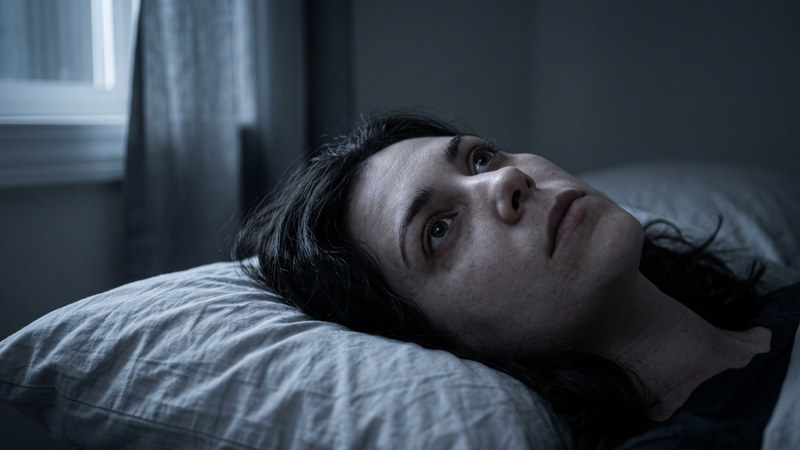
Understanding PTSD Nightmares
Post-Traumatic Stress Disorder (PTSD) is a mental health condition that can develop after experiencing or witnessing a traumatic event. Military combat, sexual assault, physical abuse, childhood trauma, serious accidents, natural disasters, and medical emergencies are among the many experiences that can lead to PTSD.
Although many people have upsetting memories after trauma, PTSD occurs when those symptoms persist and significantly interfere with daily life. One of the most common—and often most exhausting—symptoms is recurring trauma-related nightmares.
PTSD nightmares may replay aspects of traumatic experiences or contain different content that evokes similar fear, helplessness, or threat.
Some people relive the exact experience, while others have symbolic dreams that evoke the same fear, helplessness, or panic they felt during the original trauma.
A person experiencing PTSD nightmares may:
- Wake suddenly in panic
- Cry out or scream during sleep
- Sweat heavily
- Thrash, kick, or flail while sleeping
- Experience rapid breathing or a racing heart
- Feel confused or disoriented after waking
- Struggle to return to sleep
- Avoid going to bed because they fear another nightmare
These nightmares often occur during Rapid Eye Movement (REM) sleep, the stage of sleep responsible for processing emotions and consolidating memories. PTSD is associated with significant sleep disturbance, including changes in sleep continuity and REM sleep. Trauma-related nightmares can repeatedly interrupt sleep and contribute to daytime fatigue and distress.
According to the National Center for PTSD, nightmares and sleep disturbances are among the most common symptoms reported by individuals living with PTSD and frequently contribute to worsening mental and physical health when left untreated.
Why PTSD Causes Nightmares
To understand why PTSD nightmares happen, it’s helpful to understand how the brain normally processes memories.
Every day, your brain sorts through experiences while you sleep. During REM sleep, emotional memories are gradually organized, stored, and integrated into long-term memory. This natural process helps reduce the emotional intensity of difficult experiences over time.
Trauma changes that process.
Instead of recognizing a traumatic event as something that happened in the past, the brain continues to interpret it as an immediate threat. The amygdala—the brain’s fear center—becomes overactive, while areas responsible for emotional regulation and rational thinking become less effective.
As a result, the nervous system remains in a constant state of hypervigilance.
Rather than processing trauma normally, the brain repeatedly revisits traumatic memories during sleep. This causes nightmares that can feel so realistic that individuals awaken believing they are once again experiencing the original event.
This constant activation of the body’s “fight, flight, or freeze” response also contributes to:
- Difficulty falling asleep
- Frequent awakenings
- Night sweats
- Increased anxiety
- Heightened startle response
- Daytime fatigue
- Difficulty concentrating
- Mood changes
- Increased irritability
Without treatment, disrupted sleep often fuels worsening PTSD symptoms, creating a cycle in which poor sleep leads to increased anxiety, which then leads to more nightmares.
How PTSD Disrupts REM Sleep
Healthy sleep follows several predictable cycles each night, with REM sleep playing a critical role in emotional recovery and memory processing.
For individuals living with PTSD, these cycles become disrupted.
Instead of transitioning into restorative sleep, the brain remains alert for danger—even when no danger exists. Researchers believe trauma alters communication between the brain’s emotional centers and stress-response systems, preventing the nervous system from fully relaxing.
Because the brain stays on high alert, REM sleep becomes fragmented. Rather than safely processing emotional memories, traumatic experiences are repeatedly replayed, leading to vivid nightmares and frequent awakenings.
Over time, this chronic sleep disruption can contribute to:
- Depression
- Anxiety
- Difficulty concentrating
- Memory problems
- Increased emotional reactivity
- Poor physical health
- Reduced quality of life
For many people recovering from PTSD, improving sleep is one of the first major milestones toward healing. Better sleep supports emotional regulation, improves cognitive functioning, and allows therapy to be more effective.
Why Nightmares Continue Years After Trauma
One of the most common questions caregivers ask is:
“Why are they still having nightmares if the trauma happened years ago?”
The answer lies in the way PTSD changes the brain’s response to fear.
Without treatment, traumatic memories are not fully processed as events that happened in the past. Instead, they remain emotionally charged and can be reactivated by stress, anniversaries of the trauma, certain smells or sounds, relationship conflicts, illness, or even a lack of sleep.
For many individuals, nightmares are not a sign that they are “stuck” or “failing to move on.” They are a symptom of a nervous system that continues to perceive danger long after the traumatic event has ended.
The encouraging news is that effective treatment can help change these patterns. Therapies such as Eye Movement Desensitization and Reprocessing (EMDR), Imagery Rehearsal Therapy (IRT), and Cognitive Behavioral Therapy for Insomnia (CBT-I) have helped many individuals significantly reduce both nightmares and sleep-related anxiety.
How to Help Someone with PTSD Nightmares: What to Do After They Wake
Watching someone experience a PTSD nightmare can be frightening. Your first instinct may be to wake them immediately or ask what happened, but those reactions are not always the most helpful. During a nightmare, the brain is responding as though the traumatic event is happening again. Although you cannot stop the nightmare itself, you can help create an environment that promotes safety and calm once your loved one begins to awaken.
Your role is not to “fix” the nightmare. Instead, your goal is to provide reassurance, reduce additional stress, and help your loved one reconnect with the present moment.
A guide on how to help someone with a PTSD nightmares:
Stay Calm and Be a Source of Safety
People experiencing PTSD nightmares often awaken confused, frightened, or temporarily unsure of where they are. Seeing someone else panic may intensify those feelings.
Instead, remain calm and speak in a soft, reassuring voice.
Simple phrases such as:
- “You’re safe.”
- “I’m here with you.”
- “You’re home.”
- “Take your time.”
can help your loved one slowly reconnect with reality.
Avoid asking detailed questions immediately after they wake. Many people cannot clearly remember the nightmare, while others may not want to discuss it. Give them time before encouraging conversation.
Don’t Rush to Wake Someone During a Nightmare
Many caregivers assume waking someone during a nightmare is the safest option. However, this is not always true.
Suddenly waking someone from a vivid PTSD nightmare can increase confusion, panic, and disorientation. In some cases, individuals may awaken startled and require several moments to recognize their surroundings.
If the person is not in immediate physical danger, allowing the nightmare to end naturally may be less distressing than abruptly interrupting it.
However, every individual is different. If your loved one has previously discussed how they would like you to respond during a nightmare, follow the plan you developed together. Communication outside of crisis situations can help both partners feel more prepared.
Help Them Reorient to the Present
After waking, your loved one may still feel emotionally trapped in the nightmare.
Gentle grounding techniques can help reconnect the brain with the present.
Encourage them to notice their surroundings by asking questions like:
- Can you tell me five things you see?
- What do you hear right now?
- Can you feel your feet touching the floor?
- Would holding a blanket or pillow help you feel grounded?
The goal is not to force them to “snap out of it,” but to gently remind the nervous system that the traumatic event is over and they are safe.
Avoid Common Mistakes
Even well-intentioned caregivers sometimes respond in ways that increase stress.
Try to avoid:
- Asking for details about the nightmare immediately
- Saying “It was only a dream.”
- Becoming frustrated if nightmares continue
- Telling them to “just relax”
- Minimizing their emotional experience
- Assuming nightmares will disappear on their own
PTSD nightmares are symptoms of a medical and psychological condition—not signs of weakness or a lack of willpower.
Responding with patience and understanding helps strengthen trust while reducing feelings of shame.

Healthy Sleep Habits Can Reduce PTSD Nightmares
Although healthy sleep habits alone will not eliminate PTSD nightmares, they can significantly improve sleep quality and reduce factors that contribute to nighttime distress.
Developing consistent routines also helps the brain recognize when it is time to transition into sleep.
Maintain a Consistent Sleep Schedule
Going to bed and waking up at the same time every day helps regulate the body’s internal clock.
Sleeping late on weekends or taking long daytime naps may make nighttime sleep more difficult and increase sleep disruption.
Create a Calming Evening Routine
The hour before bedtime should help signal safety rather than stimulation.
Helpful activities include:
- Reading
- Gentle stretching
- Listening to calming music
- Drinking herbal tea (if appropriate)
- Deep breathing exercises
- Journaling
- Prayer or meditation
Avoid emotionally intense television shows, upsetting news, stressful conversations, or excessive screen time before bed whenever possible.
Create a Sleep-Friendly Bedroom
Your sleep environment matters more than many people realize.
A bedroom that promotes rest should be:
- Cool
- Dark
- Quiet
- Comfortable
- Free from unnecessary distractions
Some individuals benefit from white noise machines, blackout curtains, weighted blankets, or calming scents such as lavender, although preferences vary from person to person.
The goal is to create an environment that communicates safety to the nervous system.
Limit Alcohol Before Bed
Some individuals believe alcohol helps them sleep because it causes drowsiness.
In reality, alcohol disrupts normal sleep cycles, reduces sleep quality, and may increase nightmares later in the night.
Likewise, excessive caffeine late in the day can make it more difficult to fall asleep and may worsen anxiety symptoms.
For individuals living with PTSD, reducing alcohol use is often an important part of improving long-term sleep.
Grounding Techniques After a Nightmare
Even after waking, someone with PTSD may continue feeling as though the traumatic event is happening.
Grounding techniques help interrupt that cycle.
One of the most effective methods is the 5-4-3-2-1 Technique.
Encourage your loved one to identify:
- 5 things they can see
- 4 things they can touch
- 3 things they can hear
- 2 things they can smell
- 1 thing they can taste
This simple exercise helps redirect attention away from traumatic memories and toward the present environment.
Other helpful grounding techniques include:
- Holding a cool glass of water
- Wrapping in a favorite blanket
- Focusing on slow breathing
- Feeling both feet firmly on the floor
- Holding an object with texture, such as a smooth stone or stress ball
Not every strategy works for every person, so encourage your loved one to explore which grounding techniques feel most calming.
Don’t Forget to Care for Yourself
Supporting someone with PTSD can be emotionally demanding.
Caregivers often become so focused on helping their loved one that they neglect their own mental and physical health.
Remember:
- You cannot pour from an empty cup.
- Getting enough sleep matters for you too.
- Taking breaks is healthy.
- Seeking therapy or joining a caregiver support group is not selfish.
- You deserve support just as much as your loved one.
When caregivers remain emotionally healthy, they are better equipped to provide compassionate support over the long term.
Helpful Resources
To learn more about PTSD and trauma recovery, the National Center for PTSD provides free educational resources for individuals and families:
You can also explore the National Institute of Mental Health (NIMH) for information about PTSD symptoms, diagnosis, and treatment:
https://www.nimh.nih.gov/health/topics/post-traumatic-stress-disorder-ptsd
Medical Review
This article was written and medically reviewed by Dr. Laura Tanzini, DrPH, LMFT, a licensed Marriage and Family Therapist in Florida and California. Dr. Tanzini oversees the clinical team at Kinder in the Keys and reviews educational content to help ensure it reflects current evidence-based mental health practices. This information is intended for educational purposes only and should not replace individualized medical or mental health advice, diagnosis, or treatment.
Medically Reviewed By
Dr. Laura Tanzini, DrPH, LMFT
Doctor of Public Health | Specialty in Lifestyle Medicine
Licensed Marriage and Family Therapist (Florida & California)
Founder & CEO, Kinder in the Keys
Doctoral Research: Dr. Tanzini’s doctoral research at Loma Linda University examined childhood and adult traumatic events, cumulative trauma exposure, gender, forgiveness, life satisfaction, and long-term well-being.
This article has been clinically reviewed for accuracy and consistency with current behavioral health and trauma-informed care principles. Content is intended to provide general educational information and should not replace individualized evaluation, diagnosis, or treatment by a qualified healthcare professional.
Medical Disclaimer: The information provided in this article is for educational and informational purposes only and is not intended as medical advice, diagnosis, or treatment. Mental health needs vary by individual. If you are experiencing symptoms of PTSD, trauma-related nightmares, significant sleep disruption, or another mental health concern, consult a qualified healthcare professional who can evaluate your individual circumstances.