
Recognizing the signs of a nervous breakdown is crucial—especially for women, who often juggle multiple roles and responsibilities. Whether it’s balancing work and caregiving, managing social expectations, or dealing with hormonal fluctuations that can intensify emotional distress, a nervous breakdown can leave a woman feeling overwhelmed, helpless, and unsure of what’s happening or how to regain control.
If you’re a woman, and you think you may be having a nervous breakdown, this is for you. We’ll help you identify early signs, explore root causes, and outline empowering steps toward healing and long-term mental wellness.
What Exactly is a Nervous Breakdown?
A nervous breakdown is a widely used term to express a period of emotional or mental distress so intense that the personal functioning of an individual—particularly women—is severely affected. While not a medical diagnosis, it refers to a reaction to long-term stress or a serious mental health issue that has reached a breaking point.
During a nervous breakdown, many women feel completely unable to carry out basic day-to-day responsibilities. This includes difficulty completing tasks at work, maintaining relationships, or even managing personal care. The symptoms can be a mix of emotional, physical, and cognitive disturbances that typically follow chronic stress—often stemming from work challenges, caregiving demands, relationship tension, or major life changes.
It’s also important to recognize that a nervous breakdown may resemble or overlap with other mental health conditions, such as anxiety disorders, depression, or burnout. For example, a woman struggling with anxiety may have persistent panic attacks, while someone experiencing burnout may feel detached, emotionally drained, or disconnected from her routines and responsibilities. Understanding these differences can help women get the right type of care and support.
One of the most helpful first steps is speaking with a mental health professional to evaluate whether you, or another woman, may be experiencing a nervous breakdown or another related condition. Early awareness and timely support can be key factors in easing symptoms and supporting long-term recovery.
Related: What is a Mental Health Breakdown?
What Are the Early Warning Signs of a Nervous Breakdown?
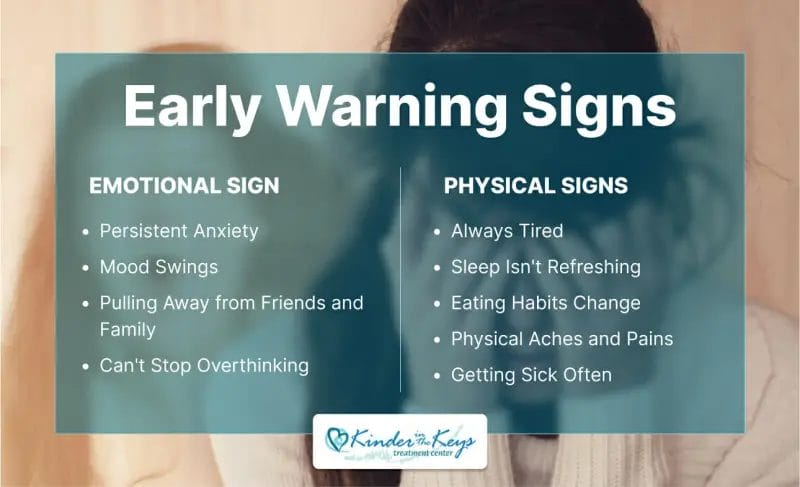
A nervous breakdown can manifest through a range of symptoms that impact your emotions, body, mind, and behavior. Understanding the early warning signs of this mental illness is crucial for taking steps toward support and recovery.
The symptoms of a nervous breakdown are:
Emotional Symptoms
Emotional and intense mental distress often emerges as one of the earliest indicators of a nervous breakdown:
- Increased irritability or mood swings: Sudden shifts in mood, including frustration or anger, may become frequent.
- Persistent feelings of hopelessness or helplessness: You might feel as though you’re trapped in your situation with no way out.
- Overwhelming anxiety or panic attacks: Intense fear or a sense of impending doom can become difficult to manage.
Physical Symptoms
Your body often reflects the stress of a nervous breakdown through physical signs:
- Chronic fatigue or exhaustion despite adequate rest: You may feel perpetually drained, even after a full night’s sleep.
- Unexplained aches and pains: Headaches, muscle tension, or other discomforts might appear without an obvious cause.
- Digestive issues or appetite changes: Stress can lead to stomach problems, nausea, or shifts in eating patterns, such as overeating or loss of appetite.
Cognitive Symptoms
Mental clarity will very early degenerate when someone has a nervous breakdown. Activities at times may be hard to concentrate on, and details may be hard to remember, leaving one feeling scattered or forgetful. Indulging in negative thinking may be racing your mind, overwhelming everything in it. This leads to indecisiveness, even for a simple choice, but really an impossible effort to make such decisions.
Behavioral Symptoms
Behavioral changes may be some of the most defining characteristics of a nervous breakdown. Among its characteristics, you will most likely experience social withdrawal. You usually start withdrawing from friends, family, and all responsibilities for the sake of escaping stressors. There are several instances of sudden fury or crying, somehow, leaving you less in control. Neglected daily routines, such as self-care or work tasks, became very common as stress took over most of your focus and energy.
If you have any of these mental health symptoms, seek professional help.

Common Triggers Leading to a Nervous Breakdown in Women
While anyone can experience a nervous breakdown, women often face specific environmental, physiological, and emotional stressors. Recognizing these triggers can help prevent a full-blown breakdown by allowing proactive intervention.
| Trigger Type | Examples |
|---|---|
| Work-related stress | High-pressure jobs, toxic work environments, unrealistic expectations, or job loss |
| Relationship stress | Marital issues, emotional labor in parenting or caregiving, conflict with friends or partners |
| Financial pressure | Debt, inability to provide for a family, underemployment, divorce-related financial disruption |
| Grief or traumatic experiences | Loss of a loved one, miscarriage, domestic abuse, or surviving sexual trauma |
| Health-related issues | Chronic illness (personal or family), hormonal imbalances, reproductive health issues, or caregiving stress |
| Societal and gender expectations | Pressure to “do it all” (career, motherhood, caretaking, emotional support for others) |
How to Respond to Early Warning Signs of a Nervous Breakdown
Identifying the first signs of a nervous mental breakdown is very important in addressing the situation and getting one’s mental and emotional self back on track. Such purposeful early initiatives could vastly reduce the levels of deterioration caused by a breakdown. However, the signs of a nervous breakdown in women can differ from those of men due to biological, hormonal, and societal influences.
Act Immediately for Self-Care
Self-care isn’t a luxury—it’s a necessity, especially for women who regularly put the needs of others ahead of their own. When you begin to notice signs of extreme stress or emotional exhaustion, your first priority should be rest. A well-rested body and mind are better equipped to handle stress and process emotions.
Make nourishment a daily habit—not just for physical strength, but for emotional resilience. Healthy meals, adequate hydration, and reducing caffeine or alcohol can help stabilize mood and energy levels during emotionally intense periods.
Equally important: reduce or delegate non-essential responsibilities. For example, let go of the pressure to keep a spotless home or attend every event. Ask for help with childcare, work, or errands. Simplifying your day allows more room to rest, reflect, and rebalance.
Woman-to-woman reminder: You don’t need to “keep it together” for everyone. Taking a step back is a step forward.
Seek Professional Support
Women often carry invisible emotional loads—managing their own needs while supporting others. Talking to a licensed mental health professional provides a safe outlet to process these pressures. Whether you’re dealing with anxiety, depression, trauma, or burnout, professional therapy is a validating and empowering step.
Treatment may involve:
- Talk therapy (such as Cognitive Behavioral Therapy or trauma-informed care)
- Mindfulness and relaxation techniques tailored to women’s stress patterns
- Medication support for anxiety, depression, or mood regulation
- Holistic care or women-focused mental health programs
A specialized treatment center like Kinder in the Keys can help women develop personalized recovery plans in nurturing, judgment-free environments designed to address the root causes of emotional overwhelm.
Seeking professional help is not a weakness—it’s a courageous act of self-recognition.
Related Article: What Does a Holistic Approach to Depression Treatment Mean?
Lean on a Support System
Trustworthy friends or family could make all the difference during this period: reaching out to such persons can deliver just that little extra impact. Besides, trusting someone with this knowledge also frees up the power for that person to be able to step in with practical assistance.
Joining a support group or participating in online communities focused on mental health can also be helpful. These spaces provide an opportunity to connect with others who understand your experiences, offering encouragement and a sense of solidarity.
Connection is a lifeline. Surround yourself with people who remind you of your strength, especially when you forget it.
Nervous Breakdown Signs in Women vs. Men
Women often experience a nervous breakdown differently than men due to both biological and social factors.
Here’s how they may differ:
|
Symptom/Pattern |
Women |
Men |
|---|---|---|
|
Emotional expression |
More likely to cry or feel guilt |
More likely to become irritable or angry |
|
Social support |
May seek emotional connection |
May isolate or avoid talking |
|
Physical symptoms |
Common: migraines, GI issues, fatigue |
Common: chest pain, sleep issues |
|
Help-seeking behavior |
More likely to see a mental health provider |
Less likely to seek help |
|
Triggers |
Multitasking, caregiving, social pressure |
Job stress, financial strain |
Finding Strength in the Face of a Breakdown
If you’re a woman experiencing intense stress, burnout, or emotional distress—it’s okay to pause. Recognizing the signs of a nervous breakdown is not only brave; it’s the first step toward healing.
Prioritize your needs, seek out professional mental health care, and lean on others with compassion. You are not alone. Recovery is not only possible—it’s empowering. With patience, support, and self-compassion, you can emerge from a breakdown even stronger than before.